Category Archives: AOA News Letter
FAILURE TO PAY CHILD SUPPORT MAY LEAD TO CRIMINAL LIABILITY – OMBUDSMAN

For reference, according to Article 77 of the Constitution of the Republic of Uzbekistan, parents and their substitutes are required to care for their children until they reach adulthood, ensuring their upbringing, education, healthy, complete, and comprehensive development. Under Article 474 of the Code of Administrative Offenses, individuals who fail to pay child support for a minor child in a timely manner may face penalties, including up to 15 days of imprisonment, a fine equivalent to 20 times the minimum wage, or mandatory community service for up to 120 hours. An individual committing this offense for the first time may be exempted from liability if they voluntarily settle the debt during the administrative violation proceedings. However, failure to pay child support even after administrative penalties have been imposed may result in criminal liability.
According to the “Regulation on the Alimony Payment Fund,” approved by the Cabinet of Ministers of the Republic of Uzbekistan on August 3, 2022, state enforcement officers take measures to recover unpaid child support in accordance with the enforcement document issued by the criminal court against the debtor found criminally liable for evading financial responsibility for a minor child. If all legally prescribed measures prove ineffective, the state enforcement officer decides on compensation from the alimony fund, ensuring payment within two business days.
It should be noted that parents’ responsibility towards their children is not only a legal obligation but also a moral duty for every parent. Child support payments are essential for children’s healthy growth, education, and overall development.
A SUCCESS STORY OF ADVOCACY: THE PDHJ’S ROLE IN SUPPORTING ELISABETH’S RIGHT TO DISABILITY ASSISTANCE.
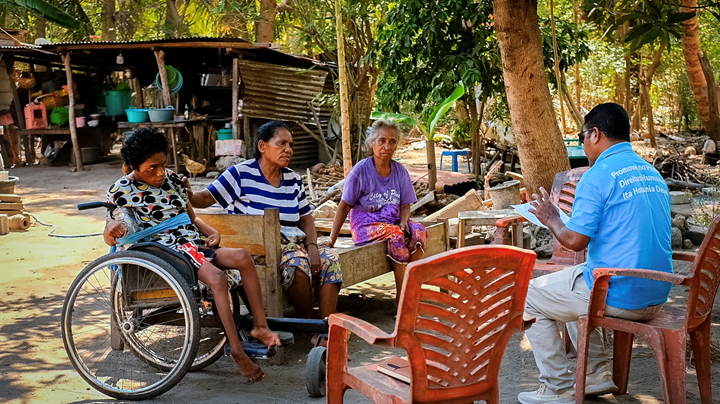
Ataúro, 22 October 2024 – Elisabeth Soares Oliveira, a 31-year-old from Usubemasu, Beloi, Ataúro faced tremendous challenges due to her physical disability. From 2019 to 2022, she endured significant hardship when she lost her disability support allowance because of issues within the banking system. This situation left her and her widowed mother, Amelia, struggling to meet their basic needs.
With no steady income, Amelia felt the weight of their circumstances deeply. The absence of financial support took an emotional toll, leaving her worried about their uncertain future.
Recognizing the urgent need for assistance, a support network from the former PDHJ in Ataúro brought Elisabeth’s plight to the PDHJ in Dili. Acting swiftly, the PDHJ engaged with the relevant authorities to resolve the matter. Thanks to their dedication, the National Institute of Social Security took notice, allowing Elisabeth to regain her rights and receive retroactive payments for the four years she had lost.
On October 22, 2024, the PDHJ team returned to Usubemasu to check on Elisabeth and Amelia. When they spoke with Amelia, her eyes lit up. “My daughter can access the subsidy again,” she exclaimed, gratitude pouring from her words. This support was a lifeline that alleviated their struggles.
Amelia expressed heartfelt thanks on behalf of Elisabeth: “Without the PDHJ’s advocacy and the government’s support, we would still be in despair,” she said, tears of relief in her eyes. The subsidy meant hope, dignity, and a promise of a better future.
This success story is a testament to the power of advocacy and community support, highlighting how collaboration can change lives and help individuals like Elisabeth reclaim their rights.
JOINT RECEPTION ON THE PROTECTION OF LAW AND CITIZENS’ RIGHTS HELD.
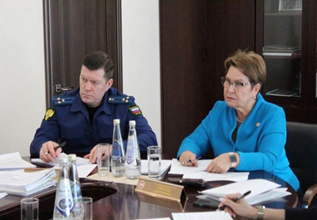
Today in Nizhnykamsk held a joint reception of citizens with the prosecutor of the Republic of Tatarstan Albert Suyargulov, within which 40 residents of the republic have asked for help.
The issues of initiation and refusal to initiate criminal proceedings, resolution of interpersonal disputes, housing problems and many other topics were raised during the reception. No question or comment was left unheeded by either the Prosecutor of the Republic or the Ombudsman of Tatarstan. The applications received will be checked, all materials examined and additional meetings with applicants.
OFFICIAL VISIT OF THE OMBUDSMAN OF UZBEKISTAN TO POLAND: MEETING WITH THE REPRESENTATIVE OF OSCE/ODIHR.
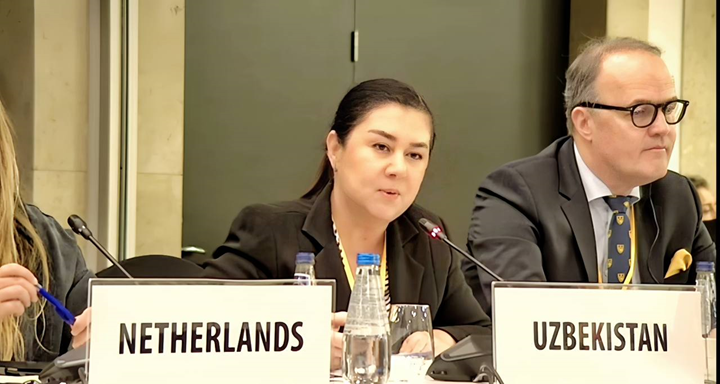
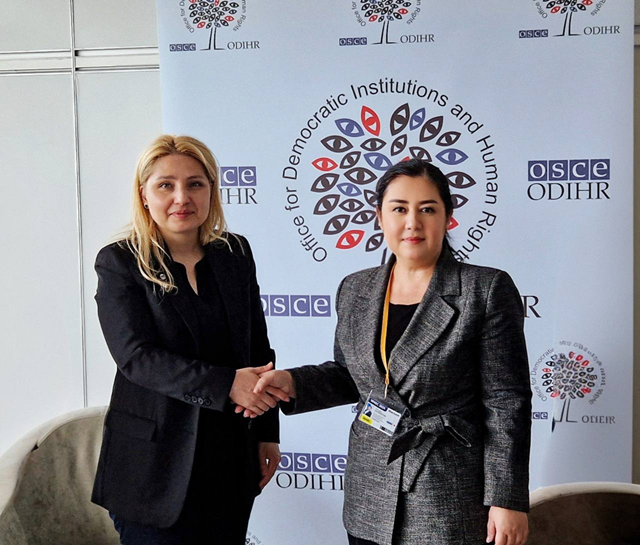
As it is known, Feruza Eshmatova, the Authorized Person of the Oliy Majlis for Human Rights (Ombudsman), is participating in the Human Dimension Conference held in Warsaw, Poland. The prestigious event, organized in cooperation with the OSCE Office for Democratic Institutions and Human Rights (ODIHR), facilitates dialogue on the implementation of all commitments under the OSCE human security measures. As part of her visit to Poland, on October 9, 2024, the Ombudsman met with the Acting Director of the OSCE Office for Democratic Institutions and Human Rights, Tea Jaliashvili.
During the discussion, topics included the organization of elections for the deputies of the Legislative Chamber of the Oliy Majlis of the Republic of Uzbekistan and the Councils of People’s Deputies, amendments to the electoral legislation, and cooperation with civil society institutions actively participating in public oversight.
Ms. Jaliashvili, in turn, noted that she follows the electoral processes in Uzbekistan and expressed her readiness to collaborate in studying best practices for fulfilling international human rights commitments and implementing them in the context of our country.
At the conclusion of the meeting, which took place in a cordial and constructive spirit, the parties exchanged views on prospective cooperation projects.
SABINA ALIYEVA PARTICIPATED IN THE INTERNATIONAL CONFERENCE OF OMBUDSMEN.
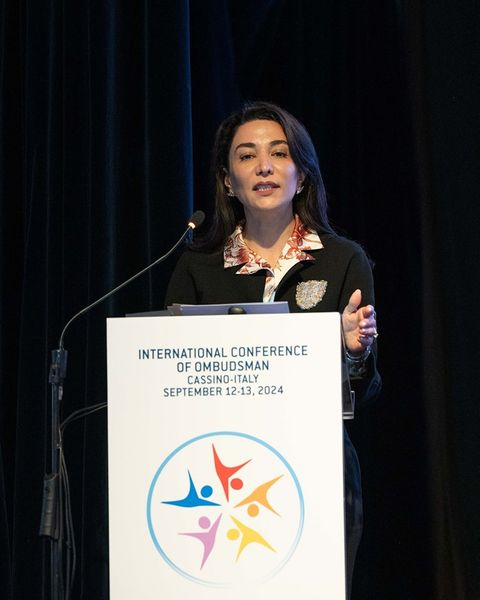
Sabina Aliyeva, the Human Rights Commissioner of Azerbaijan, participated in the International Conference of Ombudsmen on the theme “The Role of the Ombudsman as a Guarantor of Rights,” held in the Lazio region of Italy.
The event, aimed at promoting respect for human rights without discrimination in countries around the world, was attended by the heads and representatives of ombuds institutions and NHRIs from more than 50 countries.
During her speech at the session “Human Rights During Global Crises: The Role of the Ombudsman”, the Commissioner stated that the world is currently facing significant global challenges that affect both human rights and the environment.
S. Aliyeva noted that the effective protection of human rights and freedoms in the context of climate change has become one of the priority issues in the activities of ombuds institutions and NHRIs. She also highlighted that numerous events have been organized by the Azerbaijan Ombudsman Institution in this regard.
The Ombudsman noted that for nearly thirty years, our lands were under Armenia’s occupation, during which time the environment and biodiversity in those areas were harmed, and acts of ecocide were committed.
Speaking about Armenia’s mine terror in our territories, the Ombudsman said that these landmines pose a threat to the lives and health of civilians, hinder the safe return of former IDPs to their native lands, obstruct the reconstruction efforts in the region, and that mine explosions have also disrupted the ecological balance in the area.
The Ombudsman added that various state programs, strategies, and national action plans have been implemented in Azerbaijan to improve the ecological situation and ensure more efficient use of natural resources. She also noted that, by Presidential Decree, 2024 has been declared the “Year of Solidarity for a Green World” in Azerbaijan.
This year, our country will host the 29th session of the Conference of the Parties (COP29) to the UNFCCC. The Ombudsman has highlighted that preparations are underway for organizing the event at a high level.
TOWARDS INTEGRITY: REGIONAL DIALOGUE IN KUALA LUMPUR TACKLES CORRUPTION AND HUMAN RIGHTS CHALLENGES.
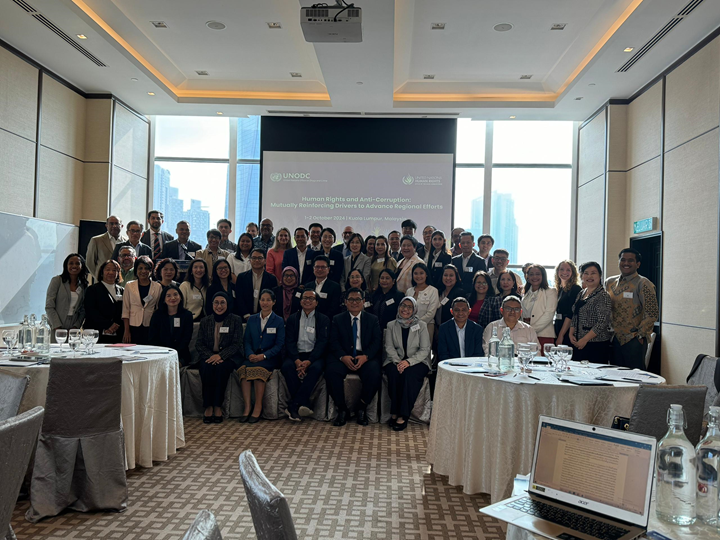
Kuala Lumpur, Malaysia – October 1-2, 2024 – In a significant gathering, representatives from nine countries, including Timor-Leste, convened in Kuala Lumpur for the “Regional Dialogue on Corruption and Human Rights.” The event featured notable participants, including Rigoberto Monteiro, Deputy Ombudsman for Good Governance; José Luis Oliveira, Director of AJAR; Lizia de Carvalho Soares, representative of CAC; and Eurosia Maria Marques Doutel Sarmento, representative of the Secretary of State for Equality.
This dialogue aimed to reinforce the interconnections between anti-corruption initiatives and the promotion of human rights, emphasizing the urgent need for collaborative efforts to combat corruption while ensuring the protection of human rights across the region.
The United Nations Convention against Corruption (UNCAC), the only legally binding international anti-corruption instrument, served as the foundation for discussions. As the guardian of the Convention, the United Nations Office on Drugs and Crime (UNODC) emphasized its holistic approach to tackling corruption through prevention, enforcement, and international cooperation. Attendees underscored the critical role of governments, the private sector, and civil society in addressing this issue.
The Office of the United Nations High Commissioner for Human Rights (OHCHR) presented its commitment to integrating human rights into anti-corruption efforts, advocating for increased awareness and engagement on these vital issues. The dialogue reaffirmed the recognition that corruption can undermine access to basic services and exacerbate poverty and inequality, disproportionately affecting marginalized communities.
In a political declaration from June 2021, Member States acknowledged the mutually reinforcing relationship between anti-corruption and human rights. They pledged to combat corruption in a manner consistent with their obligations to uphold human rights, justice, and the rule of law.
The Conference of the States Parties to UNCAC reiterated the importance of societal participation in combating corruption. It called on states to implement effective policies that empower individuals and groups outside the public sector to contribute to anti-corruption efforts, thereby enhancing accountability.
Key outcomes from the dialogue included commitments to:
– Develop policies that uphold the right to information in line with UNCAC and UN human rights instruments.
– Raise awareness of whistle-blower protection mechanisms.
– Strengthen the independence and effectiveness of institutions tasked with investigating and prosecuting corruption-related offenses.
– Establish specialized funds from confiscated assets to support human rights initiatives.
As part of the celebrations for the 75th anniversary of the Universal Declaration of Human Rights, UNODC pledged to mainstream human rights in its anti-corruption programming, highlighting the essential link between these two crucial areas.
This Regional Dialogue marks a significant step toward advancing coordinated efforts to combat corruption while protecting and promoting human rights in the region, laying the groundwork for a more equitable and just society.
“TENANT UNKNOWINGLY SCAMMED INTO HOMEOWNERSHIP: PUBLIC RENTAL HOUSING ELIGIBILITY SHOULD BE PRESERVED”.

- A tenant loses eligibility for public rental housing due to unavoidable circumstances and receives an eviction notice.
- The ACRC expresses that if eligibility was lost due to fraud and the tenant has since regained non-homeowner status, he should be allowed to remain in public rental housing.
A decision has been made to provide tenants who lose their non-homeowner eligibility due to unavoidable reasons, such as fraud, with more opportunities to continue residing in public rental housing.
The Anti-Corruption and Civil Rights Commission (ACRC, Chairperson Ryu Chul Whan) expressed that if a North Korean defector referred to as “Mr. B,” lost his eligibility for public rental housing after becoming a homeowner through fraud or other unavoidable circumstances, it would be reasonable to cancel the eviction order and allow him to continue residing in public rental housing.
In February 2022, Mr. B was deceived by an acquaintance and unknowingly became the owner of a house in ○○ City. As a result, he lost his eligibility for public rental housing, which requires non-homeowner status, and subsequently received an eviction notice.
In March, with assistance from the staff at the public rental housing management office, Mr. B filed a grievance complaint with the ACRC, explaining that if evicted, he had no family to rely on and faced severe financial difficulties.
Mr. B stated, “After arriving in the country, I was in desperate need of financial assistance and trusted an acquaintance I met by chance, who promised I could make money. Following his instructions, I unknowingly signed a real estate sales contract, which I only discovered when I received the eviction notice. I also learned I had loans under my name only when the financial institutions began demanding repayment.
Following multiple interviews and a thorough investigation, the ACRC confirmed that ▴Mr. B was deceived by acquaintances shortly after arriving in Korea and purchased a home in ○○ City, where he had no prior knowledge or connections, ▴the property was heavily mortgaged, and a substantial deposit had been placed on it. The ACRC also verified the credibility of Mr. B’s claims by cross-checking the police report he had filed.
Based on these findings, the ACRC concluded that ▴Mr. B defected from North Korea in 2019 and acquired a home in February 2022, but considering the timing, cost, and location, it was unlikely he had the financial means or voluntarily purchased the property, ▴Mr. B, unaware of real estate transactions or financial loans, only realized the fraud after receiving collection notices from financial institutions and subsequently filed a police report, ▴Mr. B had only been in Korea for four years and had not yet achieved stable resettlement, meaning eviction could jeopardize his housing and livelihood, and ▴considering the public rental housing system’s purpose of supporting the housing stability of low-income and socially vulnerable groups, allowing Mr. B to remain in public rental housing after regaining his non-homeowner status would not undermine the system’s intent.
Yang Jong-Sam, Director General for the Ombudsman Bureau of the ACRC, stated, “The applicant, a North Korean defector, fell victim to this situation without knowledge of real estate or financial matters. The ACRC will continue to work to ensure that North Korean defector and others facing difficult situations are not deprived of their basic rights and can maintain a minimum standard of living.”
OMBUDSMAN SABINA ALIYEVA PARTICIPATED IN THE INTERNATIONAL CONFERENCE TITLED “LAW AND CLIMATE”.
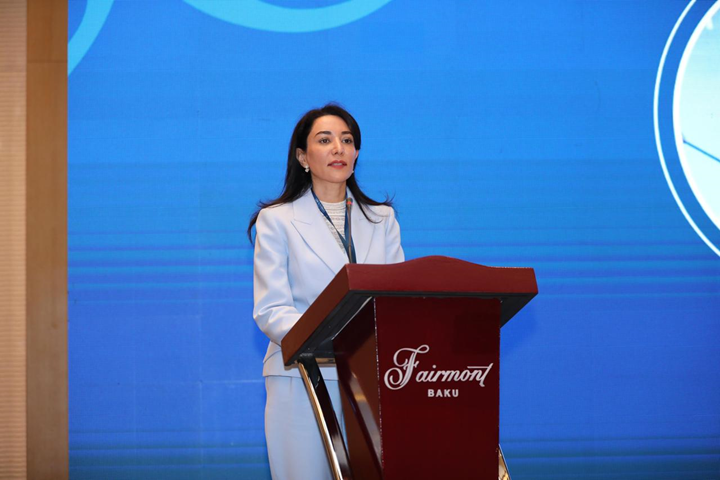
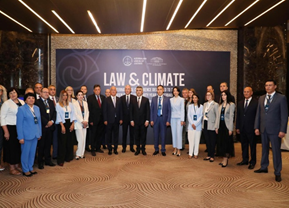
The Human Rights Commissioner, Sabina Aliyeva, participated in the international conference “Law and Climate” in Baku, organized jointly by the Azerbaijan Judges Union and Supreme Court.
While making a speech in the opening ceremony, the Ombudsman noted the importance of investigation into the causes of ecological problems to find solutions, adding that both international organizations and states take serious actions in this field.
The Ombudsman said that her Office takes initiatives, including public awareness activities in this field, to implement the Sustainable Development Goals addressing ecological sustainability and other targets of global importance, preserve the environment and ensure the right to live in a healthy environment, advance the legislation, and implement international norms into the national practice.
The Commissioner added that one of the main problems critically affecting the environment is armed conflict. She emphasized that the Ombudsman Institution took comprehensive measures to convey to the international community the facts of plunder of Azerbaijan’s natural resources, illegal exploitation, including destruction of biodiversity by Armenia during the First and Second Karabakh Wars and the aftermath, and mine terror policy and its consequences.
Aliyeva noted that within the UN Climate Change Conference (COP 29) that will be hosted by Azerbaijan this year, as one of the significant global initiatives in the field of fighting against climate change, the Ombudsman undertook a number of measures and plans to organize an international forum titled “Climate Change and Human Rights: Role of Ombudsmen and NHRIs” to be held on October 2, 2024.
A HIGH LEVEL MEETING HELD TO PROMOTE MULTILATERAL DIALOGUE BETWEEN TATARSTAN AND UZBEKISTAN.
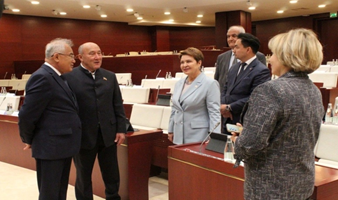
In the Republican Parliament, a meeting was held with the deputy speaker of the Legislative Chamber of the Oliy Majlis of the Republic of Uzbekistan, director of the National Center for Human Rights of the Republic of Uzbekistan Akmal Sayyov.
At the meeting of the State Council, they discussed the expansion of multilateral dialogue between Tatarstan and Uzbekistan within the framework of Russian-Uzbek cooperation, including inter-parliamentary relations.
AkmalSaidov expressed sincere gratitude for the welcome in Tatarstan.
«The leaders of Russia and Uzbekistan give impetus to our inter-parliamentary dialogue, they show us a model of high professional and friendly cooperation, – said Akmal Saidov. – Tatarstan is a leader in the interregional cooperation of two states and is one of the strategic partners of Uzbekistan. This is facilitated by the interaction with national diasporas, student exchanges, good traditions of cooperation of our fraternal peoples».
CERTIFICATE DISTRIBUTION CEREMONY TO BRAND AMBASSADORS.
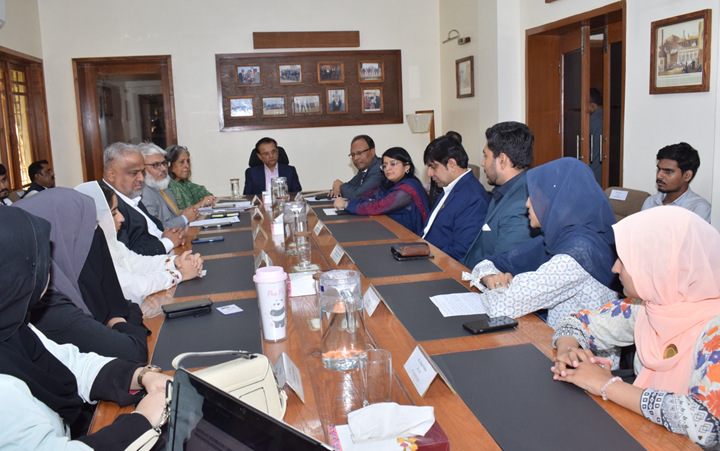
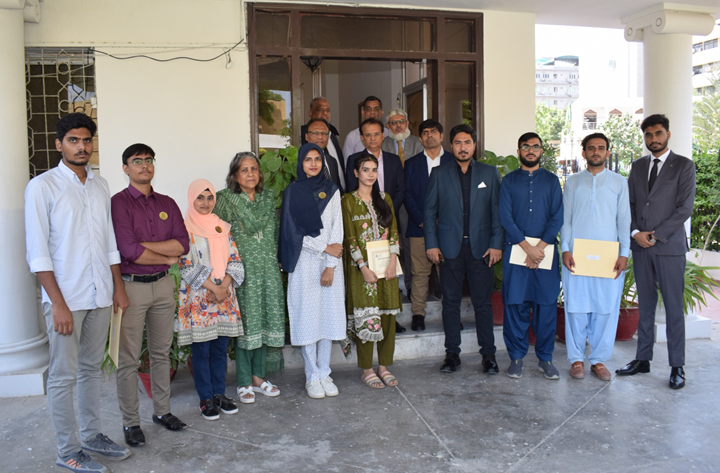
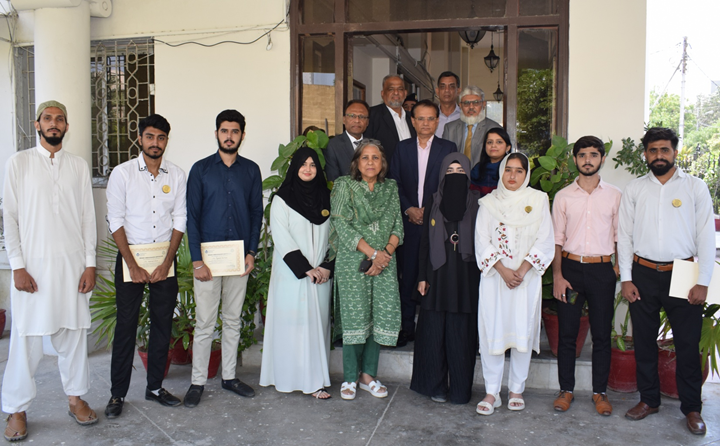
The Certificate distribution ceremony among the Brand Ambassadors for Provincial Ombudsman Sindh selected from Hamdard University and Sindh Madressatul Islam University, held on 30th September, 2024.
The Honourable Provincial Ombudsman Sindh welcomed the Brand Ambassadors and faculty members from both the Universities. Feedback forms received from Ambassadors were discussed in detail and analysis was presented by Ms. Rehana G. Ali Memon, Advisor. The gist of analysis was that there is a need to carry out vigorous outreach programme to create awareness about the Ombudsman Institute among the general public. The Ambassadors have learned how to communicate effectively built advocacy skills, community outreach and in-person interaction and achieve the objective of programme. Two Ambassadors from both the Universities also gave their views on behalf of their Universities.
The Provincial Ombudsman Sindh appreciated the efforts and performance of the Brand Ambassadors and thanked them for imparting the role and function of Ombudsman Institute to general public and student community. It was also informed that internship programme will be initiated in which selected Ambassadors will gain practical experience of working of Sindh Ombudsman Institute.
Honourable Ombudsman Sindh distributed certificates among the Brand Ambassadors.