Category Archives: AOA News Letter
OMBUDSMAN ANNOUNCES RESULTS OF DIRECT INVESTIGATION OPERATION INTO PUBLIC SERVICES RELATING TO AFTER-DEATH ARRANGEMENTS.
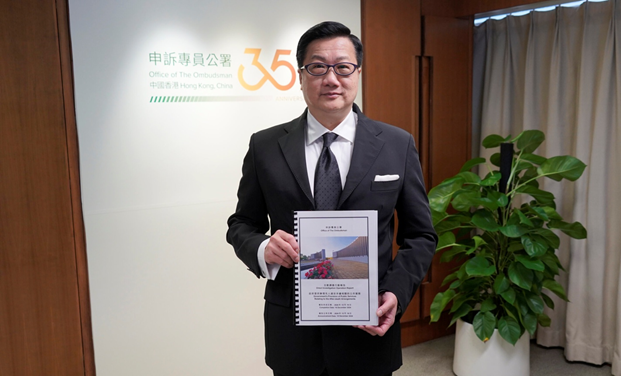
The Ombudsman, Mr Jack Chan, today (18 December) announced the completion of a direct investigation operation into the public services relating to after-death arrangements, and made a total of 10 major recommendations to the Food and Environmental Hygiene Department (“FEHD”), the Department of Health (“DH”), the Hospital Authority (“HA”) and the Immigration Department (“ImmD”).
For the live broadcast of the press conference, please watch the replay on the Office’s YouTube channel
With an ageing trend in Hong Kong’s population, the demand for public services relating to after-death arrangements, including death registration matters, mortuary services and funeral arrangements is expected to continue to rise. The dissemination of information on relevant services is very important to the public.
Various government departments are responsible for public services relating to after-death arrangements. The DH and the HA provide mortuary services and issue death documents while the ImmD handles death registrations. As regards funeral arrangements, cremations, burials, handling of cremated ashes and green burials, the bereaved are required to submit applications and follow up with FEHD. Members of the public can go to the joint offices set up by ImmD, DH and FEHD to register deaths and apply for a cremation for some death cases. However, the joint offices do not handle applications for burials.
Currently, information about after-death arrangements can be found on the Services and Support for the Bereaved webpage on the government website, Gov.HK. Nevertheless, the bereaved have to click on the links to websites of different government departments, one by one, to look for the information they need, which is difficult to find from the linked websites.
Mr Chan said, “It takes time to heal the pain of losing a loved one. During that period of time, family members not only have to face the grief of losing their loved ones, but also have to deal with cumbersome after-death arrangements. Under this kind of pressure, family members may feel helpless and anxious. My Office expects the information on various public services to be more easily accessible and clearly understood so that family members can find the information they need quickly, avoiding anxiety and confusion due to insufficient information, and do not need to worry about missing any important steps.
“After the Office initiated this direct investigation operation, the Office is pleased to note that the FEHD launched the After-death Arrangements thematic website in November this year, aiming to provide information focusing on green burials and after-death arrangements provided by the department. We recommend that based on this online platform by FEHD, other departments and authorities, including ImmD, DH and HA, should explore the development of a truly interdepartmental one-stop thematic website, with the function of an online application for the relevant after-death public services to enable family members to complete the relevant procedures more expeditiously to save them the inconvenience of having to go to the offices of different departments in person to apply for various services.”
Mr Chan added, “I am pleased to note that during our investigation, the Digital Policy Office together with FEHD, ImmD, DH and HA have commenced a study on the feasibility of streamlining application procedures for public services relating to after-death arrangements. The study covers the feasibility of developing a one-stop online platform and data sharing, and digitalised procedures for the services provided by the departments and the authority concerned. I expect that various departments and organisations will inform the public of their work plans and progress in a timely manner. On the other hand, I think that in the face of emergencies such as serious natural disasters, public health and safety incidents, departments should formulate a crisis response mechanism for critical situations that may lead to mass casualties, and implement proper co-ordination measures to ensure that the most efficient and speedy response will be made in the future, if necessary.”
The Ombudsman has made the following improvement recommendations to FEHD, DH, HA and ImmD:
- All the departments should discuss and examine the feasibility of developing a one-stop thematic website providing information about the public services provided by each of them regarding after-death arrangements;
- All the departments should explore using a one-stop thematic website to further digitalise public services relating to after-death arrangements. They should consider providing more electronic application procedures and personalised services to make it more convenient for the bereaved;
- All the departments should examine how the content of the thematic website can meet the needs of people of different races and cultures;
- The FEHD and the department or authority concerned should organise seminars or forums to explain information and share experiences relating to after-death arrangements on a regular basis;
- The HA and the department or authority concerned should provide more information on dying in place to their service users as well as giving more publicity to the new arrangements in the amended legislation that make it more convenient for patients to choose to die in place;
- The DH should regularly review the availability of body storage facilities in public mortuaries and consider installing additional units in response to the population growth and the ageing trend in Hong Kong;
- The HA should regularly review the availability of body storage facilities in hospital mortuaries and consider installing additional units in response to the population growth and the ageing trend in Hong Kong;
- All the departments should consolidate previous experiences and explore the establishment of an emergency response system and implementation of relevant measures regarding provision of public services relating to after-death arrangements at the time of emergencies or major accidents to prepare for sudden challenges;
- All the departments should conclude previous experiences and arrange regular training to staff providing public services relating to after-death arrangements at the time of emergencies or major accidents, with the aim of increasing the staff’s alertness and capability in handling emergencies of a sizeable magnitude; and
- All the departments and the authority concerned should be flexible in redeploying internal resources to meet the rising demand for public services relating to after-death arrangements alongside the ageing trend in Hong Kong’s population.
THE OMBUDSMAN OF AZERBAIJAN AND THE ASIAN OMBUDSMAN ASSOCIATION JOINTLY ORGANIZE AN AWARENESS-RAISING EVENT ON BUSINESS AND HUMAN RIGHTS.
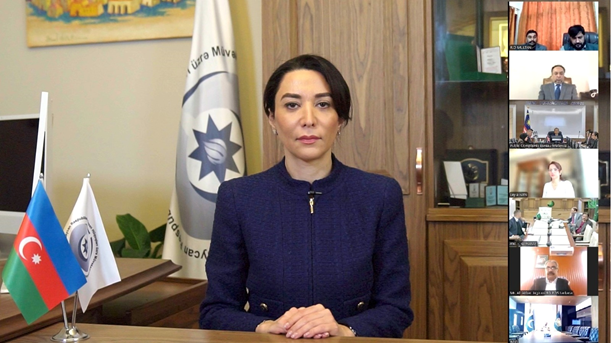
At the initiative of the Commissioner for Human Rights of Azerbaijan, Sabina Aliyeva, and with the organizational support of the Asian Ombudsman Association (AOA), an online event was held on “Business and Human Rights” for ombudsmen and NHRIs working in the Asian region.
The event was joined by ombudspersons and NHRI representatives from Pakistan, Indonesia, Malaysia, Thailand, Tatarstan, and other countries, members of the Ombudsman Association of the Organization of Islamic Countries (OIC OA), and representatives of state authorities and transnational companies.
Greeting the participants while opening the event, the Ombudsman emphasized the importance of giving increasing attention to the issues related to business and human rights by the AOA, as an organization encapsulating the large region, for effective protection of human rights.
It was said that in 2024, the Ombudsman Office prepared a national baseline assessment on Business and Human Rights considering the opinions and recommendations made by international experts. The participants of the online event were comprehensively informed about this document, which reflects the recommendations that will stimulate the improvement of this field at the national level.
The international expert invited by the UNDP Country Office made a presentation of the UN Guiding Principles on Business and Human Rights. The participants held a broad discussion on how to strengthen the role of ombudspersons and NHRIs in this field.
“SIGNING PRIVATE CONTRACTS WITH COMPANIES OWNED OR REPRESENTED BY LOCAL COUNCILORS?”.
Results of Conflict of Interest Inspection in Local Councils Announced
– ACRC announced the results of its investigation into the operational status of the conflict of interest prevention systems in 20 local councils
– A total of 2,318 allegations of violations of the Conflict of Interest Prevention Act, including inappropriate private contracts and poor management of local councilors’ activities in the private sector, were identified
According to the Conflict of Interest Prevention Act for Public Officials, public institutions are prohibited from signing private contracts with local council members, their families, and companies they own. However, it was revealed that such contracts were still being made, indicating poor management of the operation of the conflict of interest prevention system by local councils.
The Anti-Corruption and Civil Rights Commission (ACRC, Chairperson Ryu Chul Whan) conducted an inspection of the operation of the conflict of interest prevention systems in 20 local councils from July 2022, when the 8th local council was launched, to August of this year, and announced the results.
* (Upper-level) Daejeon Metropolitan City Council, Jeju Special Self-Governing Council, Chungcheongbuk-do Council, Chungcheongnam-do Council, Jeonbuk Special Self-Governing Council, Gyeongsangbuk-do Council, Gyeongsangnam-do Council (7 in total)
* (Lower-level) Guro-gu Council, Songpa-gu Council, Daegu Jung-gu Council, Ulsan Nam-gu Council, Gwacheon City Council, Uiwang City Council, Yanggu County Council, Inje County Council, Chungju City Council, Buyeo County Council, Iksan City Council, Yeongju City Council, Changwon City Council (13 in total)
The result of the ACRC’s inspection has revealed that 20 local councils had inappropriately signed private contracts worth about 3.1 billion won with companies owned or represented by local council members or their families over the past two years, and 308 out of 518 local council members had not submitted details of their activities in the private sector or submitted poorly before the commencement of their office term.
(Signing improper private contracts) along with local councils, local governments or public institutions that are audited or investigated by local councils are prohibited from entering into private contracts with local council members, their families, and companies they own or represent.
Nevertheless, as a result of the ACRC’s inspection, it has been confirmed that a total of 1,391 private contracts worth about 3.1 billion won had been signed.
This included a total of 259 cases, worth about 1.78 billion won, where private contracts were signed with a specially-related business* in which local councilors or their families have more than a certain stake. There was also a typical case where a local councilor changed a representative of a company from him/herself to another person at the start of his/her office term, but still held his/her stocks in the company without disposing and signed a private contract.
* A business of which a local councilor, his/her spouse, and his lineal ascendants or descendants individually or aggregately own more than 30% of shares or more than 50% of capital
In addition, the numbers of cases where standing committees to which local councilors belong had held meetings in the name of parliamentary activities and paid expenses on meals provided by companies operated by the local councilors amounted to 176 cases the total value of which was approximately 58 million won.
(Poor submission & management of private sector activities carried out by local councilors) Under Article 8 (1) of the Conflict of Interest Prevention Act, local councilors have a duty to submit a statement stating their private sector activities they had performed within three years prior to the start of their term in office.
However, it has been found that 23 local councilors among those subject to the ACRC’s inspection did not submit a statement despite their private sector experiences. In addition, 285 local councilors submitted a statement of private sector business activities, but excluded for-profit businesses that they operated.
Of the 518 local councilors inspected, 308, or 59.5%, did not submit a statement of private activities or submitted poorly.
There were also cases in which local governments signed private contracts with a company where local councilors are representatives holding a certain amount of stake as they did not submit details of their private sector business activities.
(Private use of public goods such as official vehicles) The Conflict of Interest Prevention Act prohibits private use of, or gaining profits from, goods owned or leased by public institutions, such as official vehicles and residences.
However, the ACRC have identified that 11 of the 20 local councils where the inspection was conducted had used official cars for private purposes or poorly managed.
Major cases of suspected private use included the use of official cars more than 200 kilometers a day to attend weddings and funerals, and the use of official cars to the airport during weekends or holidays, but failed to prove that they were intended for performing public duties.
In addition, if a private stakeholder, such as a local councilor himself/herself or his/her family, gains a benefit or disadvantage as a consequence of his/her review of a bill, he/she must report it and avoid the review of the bill, but the local councilor violated this and reviewed the bill related to the organization he/she had served in the past.
On top of this, it has been revealed that local councils operated the conflict of interest prevention system without fully understanding the main contents of the law, such as not checking whether there was a recruitment of family members of local councilors even when hiring chief secretaries and secretarial agents privately.
The ACRC will notify relevant local councils of such suspected violations of the Conflict of Interest Act as the conclusion of private contracts, non-reporting and non-recusal of privately-interested parties, and will also conduct follow-up measures including taking disciplinary actions and imposing fines following further investigation and identification.
Furthermore, the Commission will lead local councils to fully understand the Conflict of Interest Act and strengthen the management of specially-related businesses with which they are associated through supplementing and distributing the Conflict of Interest Prevention Guideline for Local Councils to all local councils in the first half of the year 2025, thereby preventing potential violations.
Chung Seung Yun, Vice Chairperson of the ACRC, said, “This inspection is of great significance as it is the first time since the enforcement of the Conflict of Interest Act to inspect the operational status of the conflict of interest prevention system by local councils and identify major problems,” adding that “The ACRC will do its best to strengthen education and public promotion to prevent the recurrence of violations of the Conflict of Interest Prevention Act in local councils, thereby increasing the level of integrity of local councils.”
35TH ANNIVERSARY RECEPTION OF THE OFFICE OF THE OMBUDSMAN CELEBRATES COMMITMENT TO PROMOTING ADMINISTRATIVE JUSTICE AND FAIRNESS.

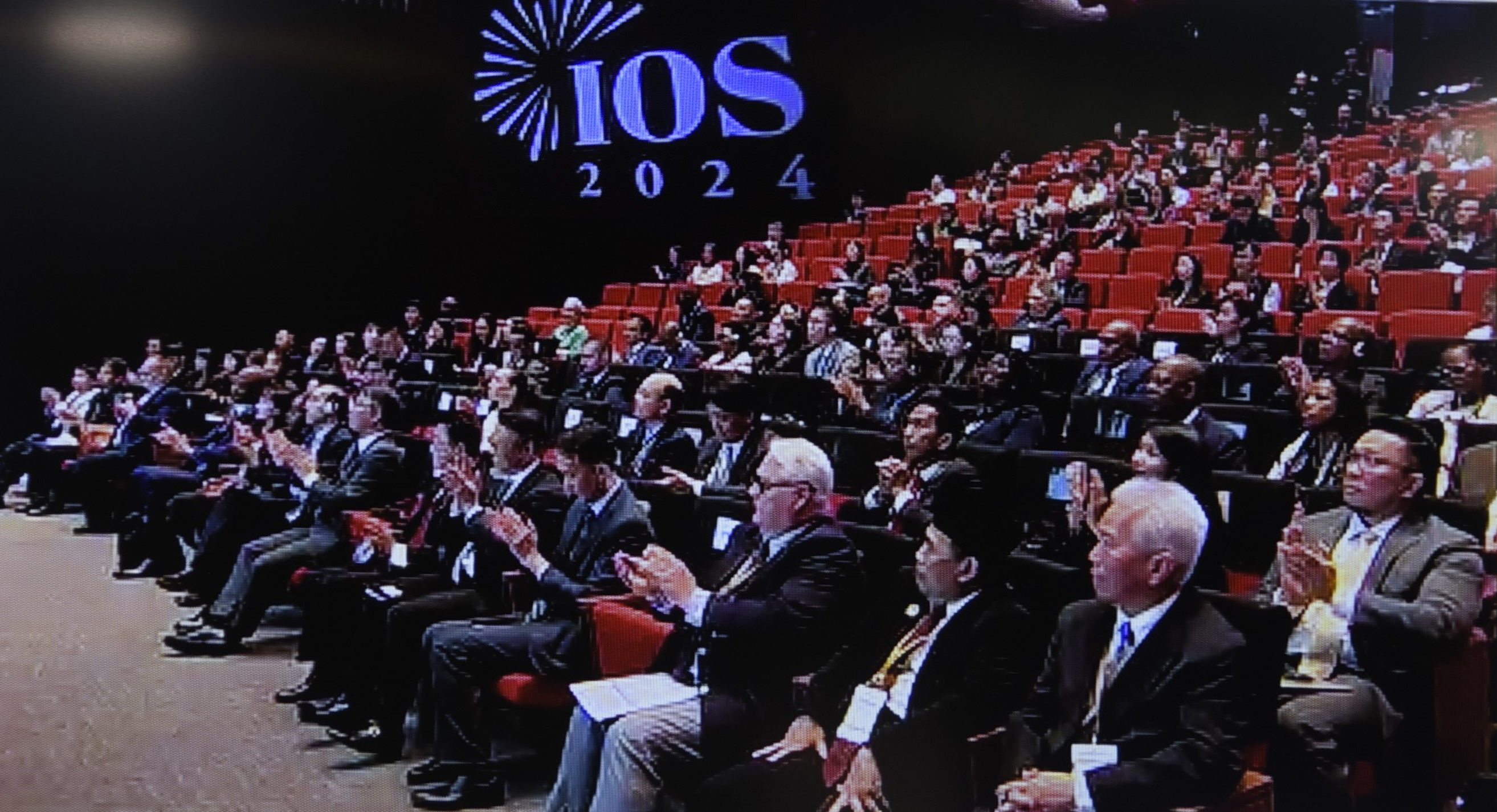
The inaugural International Ombudsman Summit 2024, hosted by the Office of The Ombudsman, Hong Kong, was held today (3 December). The Summit coincided with the 35th anniversary of the establishment of the Office. To celebrate this important milestone, the 35th Anniversary Reception was also held this evening.
The Chief Executive, Mr. John Lee, officiated at the Closing Ceremony of the Summit and the 35th Anniversary Reception Ceremony. The Deputy Commissioner, National Public Complaints and Proposals Administration, Mr. Li Zijun; the Director-General of International Cooperation Department, National Commission of Supervision, Mr. Cai Wei; the Deputy Director of the Liaison Office of the Central People’s Government in the Hong Kong Special Administrative Region, Mr. Liu Guangyuan; and the Ombudsman of the Hong Kong Special Administrative Region, China, Mr. Jack Chan, also officiated at the Anniversary Reception Ceremony.
Speaking at the Anniversary Reception, Mr. Lee commended the Office for working tirelessly to ensure a fair, efficient and accountable public administration. Furthermore, Mr. Lee was pleased to see the Office’s global presence, including in the International Ombudsman Institute and the Asian Ombudsman Association and its notable efforts in telling the good stories of Hong Kong under the “one country, two systems” principle.
The 35th Anniversary Reception received an overwhelming response. Apart from around 140 overseas and Mainland participants from about 40 countries from six continents including international ombudsmen, senior officers and international bodies’ representatives, about 230 guests, including members of the Executive Council and the Legislative Council, senior government officials, chairpersons of chambers of commerce, and local professionals and academics, have joined the event.
With the belief to further enhance quality public administration, the Office has, at the Anniversary Reception, exchanged a Memorandum of Understanding on Bilateral Cooperation with representatives from eight countries and regions across five continents, witnessed by the Chief Executive. They include Ontario, Canada, and Hawaii, the US, in North America; Curaçao in South America; Slovakia in Europe; Indonesia, Korea and Macao in Asia; and Zambia in Africa. The signing ceremony was held at noon today at the Summit venue. The First Vice President of the International Ombudsman Institute, Mr. Mohamed Benalilou, and the President of the Asian Ombudsman Association, Mr. Ejaz Ahmad Qureshi, were also present to witness this important moment.
Mr. Chan said, “Signing the Memorandum of Understanding can foster professional knowledge and information exchange, build long-term partnerships, and demonstrate Hong Kong’s distinctive advantage of having strong support from the motherland and close connection with the world and our important role as a ‘super connector’ and ‘super value-adder’.”
Underscoring the significance of the Summit and the celebration activities to his Office, Ombudsman Chan said, “Thirty-five years ago, the Office of The Ombudsman embarked on a vital mission to promote administrative fairness, accountability, and transparency. Today, we stay committed to our calling and hold steadfast to the core values that have been guiding us to go from strength to strength. We pursue to provide better and more appropriate public services and bring about a stronger sense of happiness and fulfilment among members of the public.”
On the day following the Summit and the 35th Anniversary Reception, i.e. 4 December (Wednesday), overseas guests will join an array of social and cultural programmes arranged by the Office, including a visit to the Legislative Council and the City Gallery, the Hong Kong Geopark Tour, city walk in Central and Mid-Levels, Wing Chun wellness workshop, Hong Kong Tram ride and night horse racing entertainment. These activities provide excellent opportunities for them to experience the exceptional charm of Hong Kong and its vitality and vibrancy as a dynamic city.
FEDERAL OMBUDSMAN ADDRESSES INTERNATIONAL OMBUDSMAN SUMMIT – 2024 AT HONG KONG.
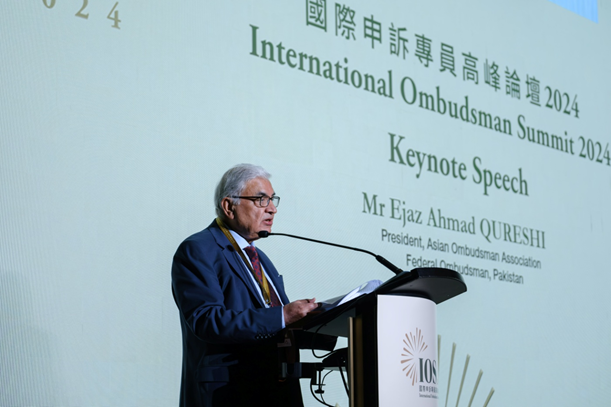
- Federal Ombudsman addresses International Ombudsman Summit – 2024 at Hong Kong
- Calls for greater sharing of experiences and best practices amongst Ombuds Institutions
Islamabad: December 03, 2024: The Federal Ombudsman of Pakistan, Mr. Ejaz Ahmad Qureshi has said that addressing maladministration and protection of human rights is inextricably linked to good governance, accountability and inclusivity. He was addressing the International Ombudsman Summit – 2024 in Hong Kong organized on the eve of the 35th anniversary of the establishment of the Office of the Ombudsman in Hong Kong, China.
Mr. Qureshi, who is the current President of the 47-member strong Asian Ombudsman Association (AOA), said that the United Nations, too, recognizes the importance of the institution of Ombudsman in strengthening democracy, good governance and the rule of law. Good administration and efficient service delivery constitute the most essential features of the Sustainable Development Goals (SDGs), he added.
He further said that these goals have a direct bearing on the role and functions of Ombudsman institutions working to build peaceful and inclusive societies, accountable institutions at all levels and providing easy access to justice. He added that the scope of work of Ombudsman institutions is witnessing speedy expansion and now includes issues like the climate change, business rights, public accessibility and inclusivity.
Alluding to Pakistan’s experience, Mr. Qureshi said that Ombudsmanship has taken firm roots in the country. Following the success of Wafaqi Mohtasib Institution in providing free and expeditious administrative justice to the general public, the concept has been replicated to other essential areas impacting the welfare of general public. He added that 14 Ombudsman Institutions are functioning in the country at the Federal and Provincial levels and contributing in improving service delivery of the government agencies in their respective areas of competence.
The International Ombudsman Summit at Hong Kong is being attended by over
140 Overseas participants, representatives of the UN bodies including a large number of the member institutions of the Asian Ombudsman Association (AOA).
PUBLIC DEFENDER HOLDS CONFERENCE ON FEMICIDE PREVENTION AND MONITORING.
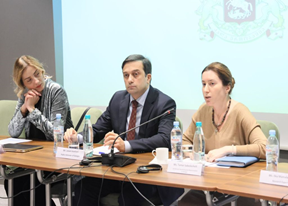
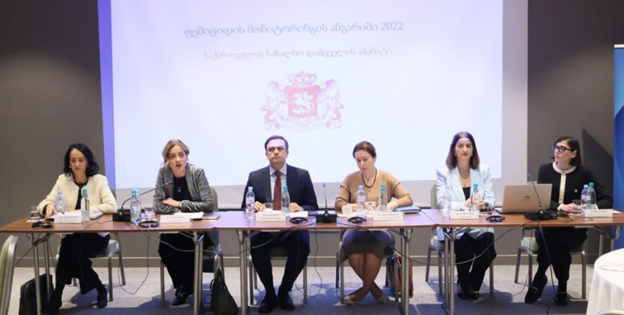
On November 26, 2024, the Public Defender of Georgia, Levan Ioseliani, as part of the 16 Days of Activism against Gender-Based Violence, held a conference on the topic – Femicide Prevention and Monitoring: Analysis of Cases of 2022.
In his speech, the Public Defender spoke about the challenges still existing in terms of prevention of violence against women and domestic violence, timely detection and effective response to the cases, including in the direction of awareness and access to services for victims of violence in the regions. He noted that the main causes of femicide remained stereotypical views and discrimination about the role of women in society.
He also reviewed the activities of the Public Defender’s Office of Georgia, which has been analyzing cases of gender-based killings, attempted killings and triggered suicides of women since 2016, identifying gaps and developing relevant recommendations.
He positively assessed the good practice of cooperation with agencies and maximum harmonization of femicide monitoring methodologies. However, he emphasized that despite legislative and institutional progress, in a number of cases, both at the investigation and judicial stages, the classification of gender-based crimes was still problematic, and that the high number of killings of women/attempts indicated the insufficiency of prevention measures.
Tamar Sabedashvili, Deputy Representative of UN Women in Georgia, delivered a welcoming speech at the event.
The 2022 Femicide Monitoring Report and trends identified by the 2019-2022 femicide monitoring were also presented at the conference; in addition, representatives of governmental, non-governmental and international organizations discussed ways to prevent gender-based crimes.
The event was organized by the Public Defender’s Office in cooperation with the Swedish-supported project – United Nations Joint Programme for Gender Equality (UNJP4GE).
PDHJ AND SEANF HOST INTERNATIONAL SEMINAR ON ECONOMIC, SOCIAL, AND CULTURAL RIGHTS AT BORDER AREAS.
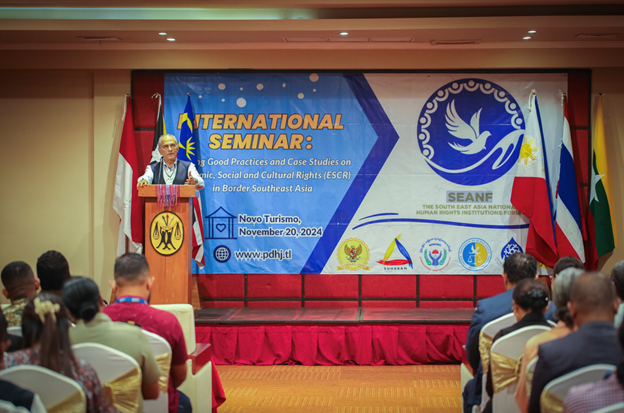
November 20, 2024 — The Ombudsman for Human Rights and Justice (PDHJ) of Timor-Leste, in collaboration with the Southeast Asian National Human Rights Forum (SEANF), hosted the International Seminar on Economic, Social, and Cultural Rights (ESCR) at Border Areas on November 20, 2024. The seminar, held in Dili, Timor-Leste, brought together experts, policymakers, and civil society representatives to address critical human rights challenges affecting border communities across Southeast Asia.
Opening the event, President José Ramos-Horta underscored the importance of the seminar in light of escalating global refugee crises, emphasizing the need for the international community to strengthen its commitment to protecting displaced populations and addressing the root causes of forced migration. His remarks highlighted the relevance of economic, social, and cultural rights in border areas, which are often compromised during humanitarian crises.
The seminar was organized as part of the SEANF Annual Meeting and served as a platform for sharing best practices, case studies, and experiences among member countries and other stakeholders. In his speech, the Ombudsman Virgílio da Silva Guterres, Chairperson of SEANF 2024, highlighted that Southeast Asia’s borders are not merely geographical boundaries but vibrant spaces rich in cultural exchange, history, and shared challenges. He emphasized the need for collaborative efforts to address the social and economic dynamics of border communities, urging participants to explore innovative strategies to enhance economic opportunities, promote social inclusion, and preserve cultural heritage.
The event was structured in two main sessions:
Session 1:
The first session provided a comprehensive overview of the current situation regarding economic, social, and cultural rights at the border. Esteemed speakers included:
- Mr. Virgílio da Silva Guterres “Lamukan” – Provedor for Human Rights and Justice
- Prof. Anterio Benedito da Silva – Academic
- Mr. Marcos dos Reis da Costa – Representative of the Ministry of Foreign Affairs
- Mr. José Luis Oliveira – Civil Society Representative
The session was moderated by Ms. Benícia Eriána Magno, who guided the discussions on key challenges and opportunities in promoting and protecting ESCR in border regions.
Session 2:
The second session focused on sharing experiences from each country and providing input on the situation of economic, social, and cultural rights at the borders of various National Human Rights Institutions (NHRIs). Esteemed speakers included:
- Dr. Atnike Nova Sigiro – Chairperson of Komnas HAM
- Dato Ser Mohd Hismamudin Bin Md Yunus – Chairperson of SUHAKAM
- Dr. Tin Maung Maung Than – Commissioner of MNHRC
- Miss Kristel Joy P. Biscayda-Armendez – Attorney of CHRP
- Miss Sayamol Kaiyoorawaongs – Commissioner of NHRCT
- Miss Siti Altaf Deviyati Binti Ismail – Secretary General of SUHAKAM
This session was moderated by Miss Siti Altaf Deviyati Binti Ismail, who led an engaging discussion on the shared challenges and opportunities in protecting and promoting ESCR in border areas.
The seminar provided a unique platform for exchanging knowledge and ideas, with a focus on fostering collaboration across the Southeast Asian region. Participants discussed the interconnected challenges faced by border communities, including illegal cross-border transactions, land disputes, and statelessness, which all have a profound impact on the economic, social, and cultural rights of individuals. They also examined the critical role of border areas in facilitating cultural exchange and economic cooperation, despite the challenges posed by these regions.
The event’s discussions underscored the importance of strengthening legal frameworks, improving access to services like healthcare, and enhancing market opportunities to improve the livelihoods of people living in border regions. The seminar also identified key opportunities for enhancing regional cooperation to better protect the rights of marginalized border populations.
Through this seminar, PDHJ and SEANF aim to raise awareness about the importance of economic, social, and cultural rights, strengthen cross-border collaboration, and provide actionable recommendations for national governments and human rights institutions in Southeast Asia.
The event marks a significant step toward achieving a more just and equitable framework for people living in vulnerable border areas, and PDHJ remains committed to advancing human rights across Timor-Leste and the region.
OPEN DIALOGUE WITH YOUTH HELD AS PART OF THE “OMBUDSMAN SCHOOL” PROJECT.
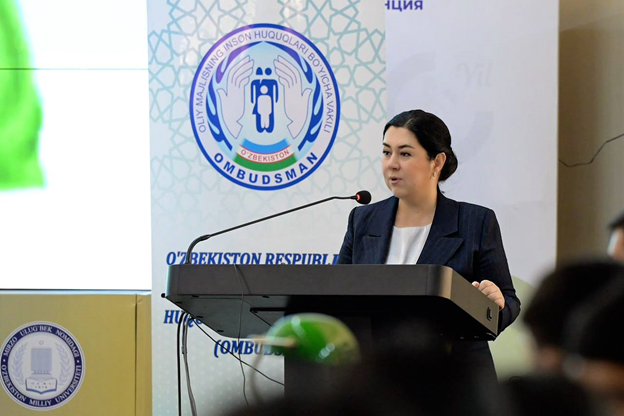
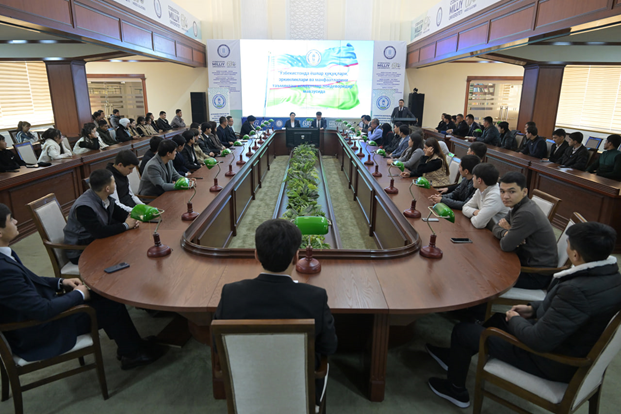
On November 12, 2024, as part of the “Ombudsman School” project, an open dialogue event was held at the Mirzo Ulugbek National University of Uzbekistan in the Almazar district of Tashkent.
The event featured an open dialogue with youth, involving the Authorized Person of the Oliy Majlis for Human Rights (Ombudsman), representatives from the Anti-Corruption Agency, the Youth Affairs Agency, professors from Tashkent State University of Law, and members of the media.
The event began with an overview of constitutional guarantees in the fields of science and education, as well as opportunities and benefits created for youth in Uzbekistan. In particular, it was highlighted that Article 79 of the Constitution of the Republic of Uzbekistan enshrines the state’s responsibility to protect the personal, political, economic, social, cultural, and environmental rights of young people, and to encourage their active participation in society and state affairs. This provision aims to protect youth rights in all key areas, ensuring guaranteed conditions for their comprehensive development.
During the dialogue, the importance of youth appeals to the Ombudsman, as well as student suggestions and recommendations, were emphasized. The role of “Ombudsman Clubs” created in universities was also discussed, noting that these clubs help students apply theoretical knowledge in practice and engage in addressing public issues. The clubs instill a sense of responsibility in students as they work toward solving problems, contributing to their development as qualified specialists.
The event addressed topics related to protecting the rights, freedoms, and interests of youth, as well as promoting their active participation in public and state life. Legal frameworks aimed at strengthening the role of youth in education, social protection, labor rights, and the fight against corruption were also explained.
During the event, which brought together over 100 young people, specific issues raised in youth appeals to the Ombudsman were discussed. The question-and-answer format enriched the dialogue, helping students gain a deeper understanding of the rights, freedoms, and lawful interests of youth in Uzbekistan, as well as the work of the Authorized Person of the Oliy Majlis for Human Rights (Ombudsman).
THE OMBUDSMAN OF AZERBAIJAN HAD A MEETING WITH ENNHRI SECRETARY GENERAL.
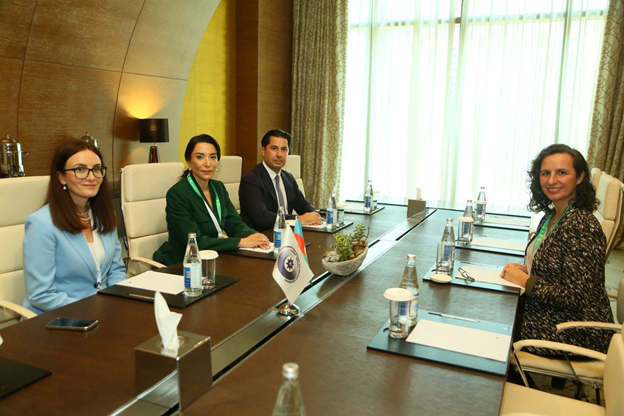
Sabina Aliyeva, the Ombudsman of Azerbaijan, met with Debbi Kohner, the Secretary General of the European Network of National Human Rights Institutions (ENNHRI), within the framework of the International Baku Forum of Ombudsmen.
During the meeting, the Ombudsman spoke about the effective cooperation with regional and international organizations, including ENNHRI.
Providing information about the measures implemented in our country for the effective protection of human rights and freedoms, the Ombudsman, stated that, based on the amendments made to the Constitutional Law on the Ombudsman of Azerbaijan, the mandate has been expanded regarding ensuring the right to equality, preventing discrimination, and several other directions.
The importance of the International Baku Forum of Ombudsmen was emphasized in terms of discussing the impact of global climate change on the realization of human rights, exploring solutions to these problems, and exchanging successful experiences. The significance of continuing such initiatives was also noted.
Debbi Kohner, the Secretary General of ENNHRI, thanked her for the cordial meeting. Several issues of mutual interest were also discussed during the meeting.
“FAMILY CODE: ABOUT RELATIONSHIPS”. A SESSION FOR YOUNG FAMILIES OPENED ITS DOORS TODAY AT THE VOLGA YOUTH CENTER.

“Family Code: About Relationships”. A session for young families opened its doors today at the Volga Youth Center
Young families are the future of our society. It is important to support them on their way to creating harmonious relationships, to help them find a balance between personal happiness and responsibility to each other.
Today I took part in the plenary session of the session organized by the Ministry of Youth Affairs of the Republic of Tatarstan, “Family Code: About Relationships”. In our time the issues of family and marriage are especially relevant, as the creation of a strong family is not only personal happiness, but also the basis of a stable and healthy society. That is why it is important to talk about how to preserve love and build harmonious relationships. During the session, we discussed many important topics, from the differences between the concepts of marriage and family to why it is so important to anchor relationships in the legal framework.