Category Archives: AOA News Letter
CHIEF OMBUDSMAN CALLS FOR ACTION ON SOCIO-ECONOMIC RIGHTS ON INTERNATIONAL HUMAN RIGHTS DAY.
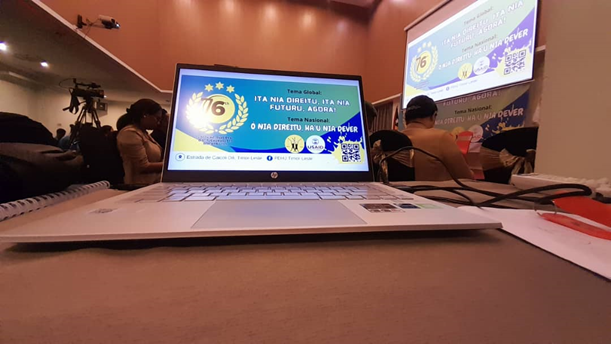
Dili, 12 December 2024- On the 76th International Human Rights Day, the Ombudsman for Human Rights and Justice of Timor-Leste, Virgílio da Silva Guterres ‘Lamukan’, called on public entities, especially the State and Government, to urgently address the socio-economic challenges faced by citizens. Speaking at an event in the Suai Room, Timor Plaza, Guterres highlighted the stark contrast between Timor-Leste’s commendable achievements in political and civil rights and the persistent violations of economic, social, and cultural rights.
“Timor-Leste can take pride in its political and democratic rights, as well as its commitment to freedom of expression, which ranks among the highest in Southeast Asia. However, these achievements must not overshadow the reality that many of our people continue to suffer from unmet socio-economic needs,” Guterres stated.
The Ombudsman referred to concerning data on poverty and stunting, noting that 41.8% of the population lives in poverty, and 46.7% of children under five are stunted due to chronic malnutrition. He raised serious concerns about the implications of stunting, emphasizing its impact on the country’s future. Malnourished children face significant challenges in health, education, and their ability to contribute to national development, posing a long-term threat to the country’s progress.
Guterres also raised issues surrounding unresolved eviction cases in Dili and Baucau, which have left many families displaced and without adequate resettlement. Additionally, the government’s decision not to renew contracts for temporary teachers has disrupted the learning process in schools, while resource shortages and a lack of medicines continue to plague the health sector, further infringing on citizens’ socio-economic rights.
Despite these challenges, the Ombudsman acknowledged Timor-Leste’s strong democratic foundations and highlighted the importance of balancing political rights with socio-economic priorities. “While our progress in civil liberties is commendable, we must ensure that this is matched by efforts to fulfil the basic needs of our people, particularly those most vulnerable,” he added.
The event, organized in collaboration with USAID, was attended by senior officials, including the Deputy Ombudsman, directors, PDHJ staff, the President of the Public Service Commission, the Anti-Corruption Commissioner, the Inspector General of State, and other distinguished guests.
As the world celebrates the 76th anniversary of the Universal Declaration of Human Rights, Timor-Leste is reminded of its commitment to uphold all human rights—balancing its notable achievements in political freedoms with the urgent socio-economic needs of its population.
THE OMBUDSMAN OF TATARSTAN PARTICIPATED IN THE PROJECT OF THE CENTRAL COMMITTEE “RIGHT OF CHOICE.”
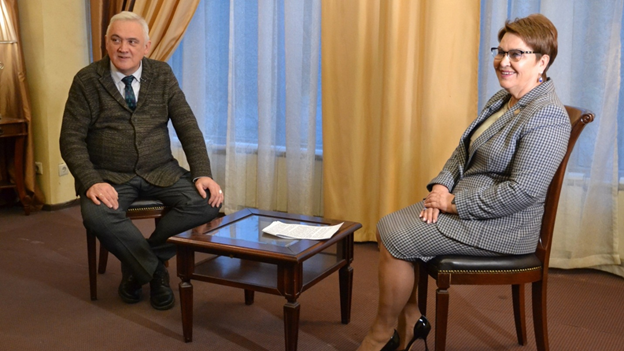
Elections are always a major event and our opportunity to express our opinion, make an impressive contribution to the development of the state, and we pay special attention to the protection of the electoral rights of citizens.
Today took part in the shooting of a video within the framework of the project of the Central Election Commission of the Republic of Tatarstan “Right to choose”, told about the role of the commissioner in protecting the electoral rights of residents of the republic, We paid special attention to the deputy of the State Council of Tajikistan, held on Sunday, December 1, in Chistopol district.
We will share with you, dear friends, recording this video soon.
ARTIFICIAL INTELLIGENCE IN HANDLING APPEALS: FINLAND’S EXPERIENCE.
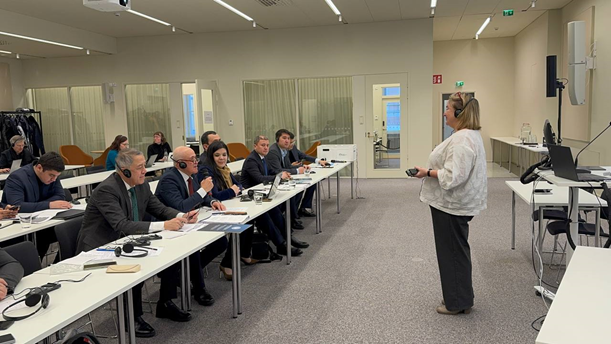
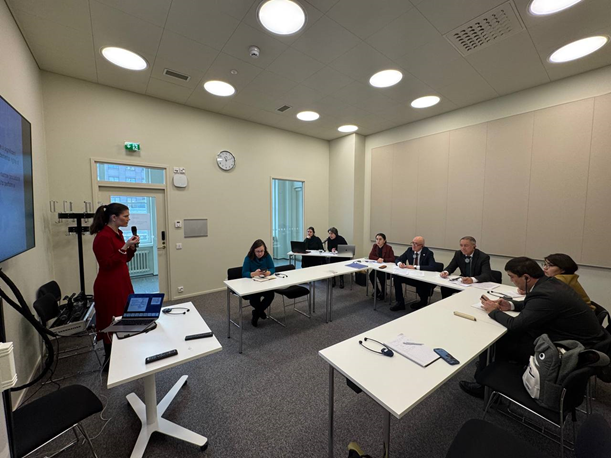
From December 16 to 18, 2024, a seminar for staff members of Uzbekistan’s Parliamentary Ombudsman was held at the University of Helsinki in the city of Helsinki, Finland. The seminar focused on the role of artificial intelligence in protecting human rights.
Over three days, participants received valuable information on the regulation and management of artificial intelligence, its risks and potential harm, the role of data in AI operations, possibilities for automated decision-making in government organizations, as well as the limits of AI application and ethical standards.
As part of the seminar, the delegation members visited the office of the Parliamentary Ombudsman of Finland, where they became acquainted with the operations of this institution.
OMBUDSMAN OFFICE EMPLOYEES VISITED THE JUVENILE PENITENTIARY INSTITUTION.

The Ombudsman of Azerbaijan, Sabina Aliyeva, keeps constant focus on the situation of protection of the rights of vulnerable groups of the population, including prisoners.
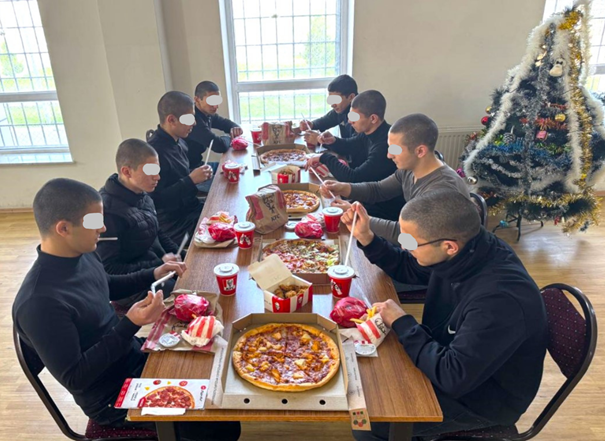
On the Ombudsman’s instructions, some staff members of the Office visited the Juvenile Penitentiary Institution (Complex) of the Penitentiary Service under the Ministry of Justice of Azerbaijan on the occasion of December 31 – World Azerbaijanis Solidarity Day and the upcoming New Year.
During the visit, juveniles were received and they were conveyed the Ombudsman Sabina Aliyeva’s congratulations on the upcoming holiday and New Year, and a festive dinner was organized for them.
Meanwhile, the employees of the Office also held awareness talks with children at the institution.
“FOR A WORLD WITHOUT CORRUPTION”: SOUTH KOREA AND ETHIOPIA STRENGTHEN TIES.
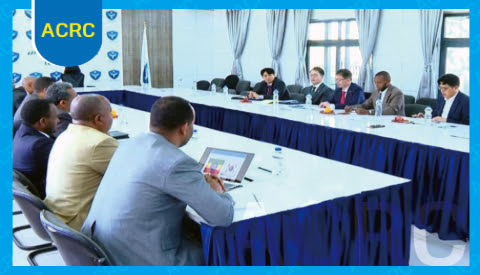
– First Anti-Corruption Cooperation Meeting Convened in Addis Ababa Following Korea-Ethiopia MOU
South Korea and Ethiopia have taken a significant step forward in their shared commitment to combating corruption. On November 5, the Anti-Corruption and Civil Rights Commission of Korea (ACRC) held its inaugural anti-corruption cooperation meeting with Ethiopia’s Federal Ethics and Anti-Corruption Commission (FEACC) in Addis Ababa.
* FEACC: The Federal Ethics and Anti-Corruption Commission is Ethiopia’s primary anti-corruption agency under the Prime Minister’s Office. It oversees anti-corruption legislation, public officials’ asset registration, and corruption prevention initiatives.
This meeting marks the first collaboration since the ACRC and FEACC signed an anti-corruption Memorandum of Understanding (MOU) during the Korea-Africa Summit on June 2, 2024.
* The MoU outlines several areas of cooperation between the two parties, including:
– Sharing anti-corruption policies
– Providing specialized training for public officials
– Delivering technical support for anti-corruption initiatives
The meeting was attended by Chung Seung-Yun, Vice Chairperson for Anti-Corruption at the ACRC, and Samuel Urkato, Commissioner of the FEACC, along with other officials. Discussions focused on Korea’s experiences in combating corruption, Ethiopia’s current anti-corruption policies, and potential areas of future collaboration.
Ethiopia holds a unique position in Korea-Africa relations as the only African nation to send ground troops during the Korean War and Korea’s largest development cooperation partner in the region. With its strategic location, abundant natural resources, and predominantly young population (60% of the total population), Ethiopia is recognized for its immense growth potential on the global stage.
Vice Chairperson Chung emphasized Korea’s distinctive journey from an aid recipient to a global donor, stating: “Korea is proud to share its anti-corruption expertise as a global success model, fulfilling its responsibilities with both pride and accountability.”
He continued, “We are committed to supporting Ethiopia, a long-standing ally with vast potential, in its fight against corruption and its pursuit of sustainable growth and development.”
ROUND-TABLE DISCUSSION ON HUMAN RIGHTS PROTECTION HELD IN TASHKENT.
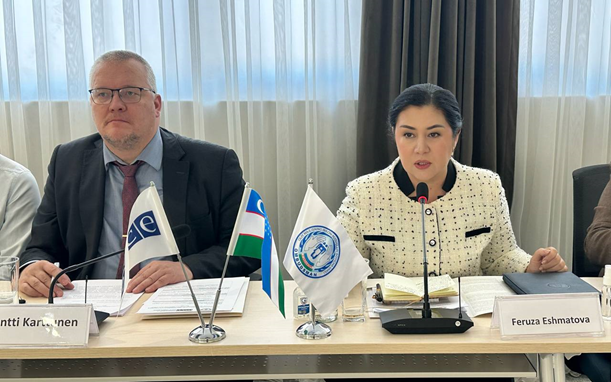
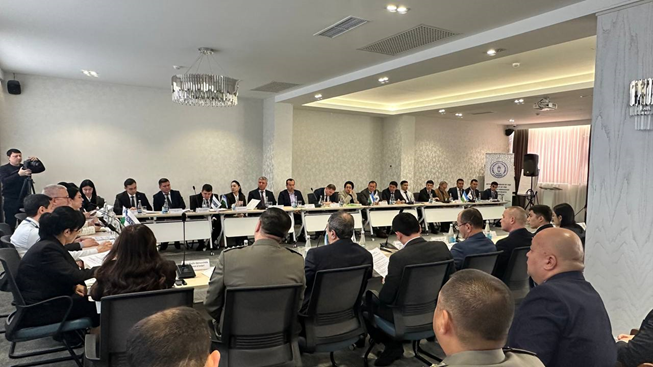
On December 17, 2024, a roundtable discussion on the topic “The Role of the Authorized Person of the Oliy Majlis of the Republic of Uzbekistan for Human Rights (Ombudsman) in Protecting Human Rights and Freedoms” was held in Tashkent. The event was organized by the Ombudsman in cooperation with the OSCE Project Coordinator in Uzbekistan.
The purpose of the event was to raise public awareness about new legislative mechanisms for human rights protection. Participants included senators, deputies, representatives of state bodies, local authorities, judicial and law enforcement agencies, as well as civil society institutions.
It is noteworthy that the Law on the Authorized Person of the Oliy Majlis of the Republic of Uzbekistan for Human Rights (Ombudsman), adopted on November 15, 2024, was aligned with the Constitution and enhances the legal framework for human rights reforms.
The Ombudsman conducts monitoring and analytical activities to address systemic issues raised in citizen appeals and to eliminate legal gaps. The law also grants the Ombudsman the right to submit legislative proposals to the Legislative Chamber of the Oliy Majlis under legislative initiative.
During the event, participants were provided with explanations about the key tasks, rights, duties, and guarantees of the Ombudsman’s activities, the procedures for reviewing appeals, response measures by the Ombudsman, and efforts to prevent cases of torture.
NEW DIRECTOR FROM ACRC, KOREA JOINS AOA BOARD OF DIRECTORS.
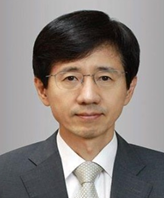
The Anti-Corruption and Civil Rights Commission (ACRC) has notified that Vice Chairperson Mr. PARK Jong-Min took over as the successor to a previous Vice Chairperson Mr. KIM Tae-gyu, who served as AOA Director.
Vice Chairperson PARK, Jong-Min was originally appointed as one of the three Vice Chairpersons of the ACRC in February 2023.
Since the Vice Chairperson KIM, Tae-gyu, who was a former AOA Director, resigned in July 2024, the position of a Vice President in charge of grievance handling had been vacant.
On December 2, 2024, Vice Chairman PARK Jong-min was newly appointed as a Vice Chairperson in charge of grievance handling, which former Vice Chairperson KIM Tae-gyu was in charge of.
Mr. PARK Jong-Min’s term of office is three years, until February 2026. His resume is attached.
OMBUDSMAN HIGHLIGHTS HEALTH PROFESSIONALS’ CAREER CHALLENGES AT NATIONAL SEMINAR.
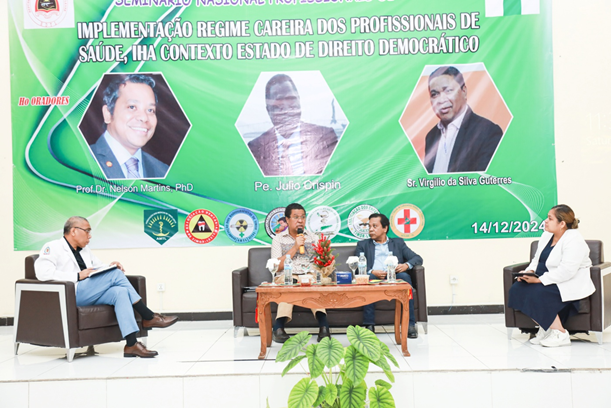
Dili, 14 December 2024 – The Ombudsman for Human Rights and Justice of Timor-Leste, Virgílio da Silva Gurerres ‘Lamukan’ delivered a keynote speech at the National Seminar for Health Professionals held at the CNE auditorium. Themed “Implementation of the Health Professionals’ Career Regime in the Context of a Democratic Rule of Law,” the Ombudsman emphasized the constitutional role of the institution in safeguarding human rights and good governance. Highlighting Article 27 of the Timor-Leste Constitution, the Ombudsman underscored PDHJ’s mandate as an independent body to investigate and address citizen complaints against public authorities, particularly in cases of abuse of power, arbitrary decisions, or human rights violations.
The Ombudsman elaborated on the scope of PDHJ’s supervisory powers, referring to Article 34 of the Constitution, which extends its mandate to monitor public entities and, in certain cases, private entities managing public funds. “Arbitrariness and abuse of power undermine human rights and good governance,” the Ombudsman stated. In the health sector, such practices disrupt essential services, particularly in remote areas where citizens face difficulties accessing adequate healthcare, a fundamental social right. The Ombudsman also expressed concern over the government’s recent decision not to renew contracts for nearly 2,000 health professionals, which has significantly impacted service delivery in underserved regions.
The Ombudsman criticized circulars and administrative decisions that fail to align with constitutional principles and legal frameworks, warning against measures that restrict professional rights or limit access to essential services. “Good governance requires that decisions consider the interests of all stakeholders and reflect legal and constitutional standards,” the Ombudsman remarked. Referring to cases where public servants are restricted from performing secondary functions, the Ombudsman argued that such policies must not compromise their independence or professional integrity while ensuring compliance with the law.
Concluding the speech, the Ombudsman called for collective efforts to advocate for effective policy changes in the health sector. “Our role is not to oppose government policies but to ensure they uphold citizens’ rights and adhere to democratic principles,” the Ombudsman stated. Highlighting the importance of stakeholder collaboration, the Ombudsman urged the Ministry of Health to consider the input of health professionals when formulating policies that affect their careers and service delivery.
DAY OF LEGAL ASSISTANCE TO FOREIGN STUDENTS OF THE ZHIGANOVA KAZAN STATE CONSERVATORY.
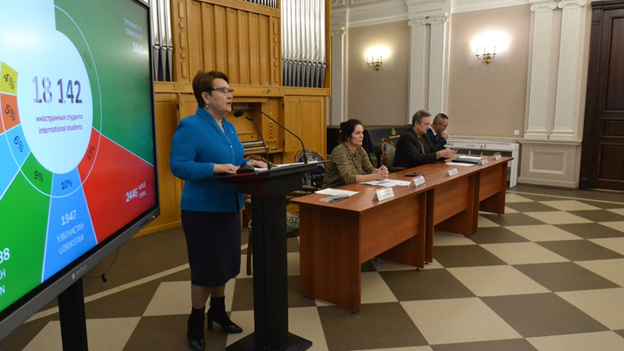
Foreign students often face legal issues that require attention and support.
Today we held a Day of legal assistance to foreign students, which was held at the ZhiganovKazan State Conservatory. During the meeting she spoke about the activities of the Office of the Commissioner and how we can protect the rights of foreign students. We discussed important aspects of their stay in Russia, rights and guarantees provided by the legislation. Students were asked about obtaining a visa and residence permit, medical examination and renting accommodation. All questions were discussed in detail and the guys received the necessary clarifications.
The event was also attended by Chairman of the Chinese Diaspora Jun Xianglong, representatives of the Migration Office of the Russian Ministry of Interior for the Republic of Tatarstan and the House of Friendship of Peoples.
Legal support is not just clarification, it is confidence in the future that we are ready to provide everyone.
THE NEW CHIEF OMBUDSMAN OF THE REPUBLIC OF TÜRKIYE ASSUMES OFFICE.
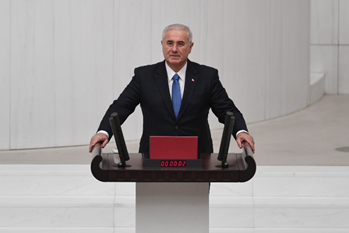
Mr. Mehmet AKARCA has been elected at the General Assembly of the Grand National Assembly of Türkiye (GNAT) as the new Chief Ombudsman of the Republic of Türkiye.
Mr. Mehmet AKARCA was sworn in on 03 December 2024 and officially took office as the new Chief Ombudsman of Türkiye.
Chief Ombudsman Mr. Mehmet AKARCA, was born on 21 January 1963 in Şirvan/Türkiye. After graduating from Dokuz Eylül University Faculty of Law in 1986, he worked as a judge in courts in several cities throughout Türkiye. During his career he served as the President of Heavy Penal Courts in different cities of Türkiye.
He was elected as a Member of the Court of Cassation on 18 January 2010, and was elected President of the 14thCriminal Chamber of the Court of Cassation by the General Assembly of the Court of Cassation on 21October 2013.
Among other candidates nominated by the General Assembly of the Court of Cassation, he was elected Chief Public Prosecutor of the Court of Cassation by the President of the Republic of Türkiye on 18 May 2015. He was elected First President of the Court of Cassation by the General Assembly on 24 March 2020. He retired from this position on 14 May 2024.
On 12 November 2024, Mr. Mehmet AKARCA was elected as Chief Ombudsman by the General Assembly of the Grand National Assembly of Türkiye.
Chief Ombudsman Mr. Mehmet AKARCA is married and has two children. His resume is attached.