Category Archives: AOA News Letter
MEETING OF THE SOUTHEAST ASIAN OMBUDSMAN FORUM IN MANILA.
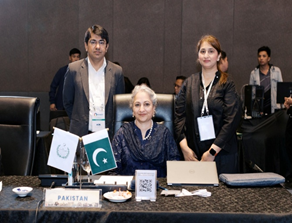
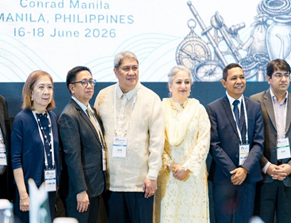
Ms. Ayesha Hamid, Ombudsperson of the Punjab/First Vice President of the International Ombudsman Institute (IOI) /Asian Regional Director and her team attended the 2026 SEAOF Full Members Meeting in Manila, Philippines held on June 16-18, 2026.
She was invited to deliver a presentation on “How digital complaint tracking are standardized and ensure quality control across a large agency following its ISO 9001:2015 QMS certification on complaints management”.
She presented the amazing journey of the Office of the Ombudsman Punjab to ISO 9001:2015 Quality Management Systems QMS Certification for the Head Office, Research Development Wing & 38 Regional Offices. She said that the Ombudsman Punjab Management Information System (OPMIS), an internally developed digital Enterprise Resource Planning (ERP) solution, has fully modernized and technologically advanced the traditional process of handling complaints.
OPMIS handles all stages of complaint management for the organization via one digital process covering registration, examination, investigation, draft findings, submitted findings and final orders. This guarantees uniformity, accountability, transparency and quality assurance.
She expressed the principles of ISO 9001: 2015 QMS towards office of the Ombudsman Punjab including focus on the citizen, process-driven governance, evidence-based decision making, continuous improvement, commitment to leadership, human engagement and relationship management.
She further cited an example of how the Ombudsman Punjab has been able to maintain standardized complaint management procedures and efficient quality control in a large and geographically dispersed organization through the use of digital workflows, KPI based performance monitoring, independent user accounts, audit trails, centralized digital record keeping and real-time management dashboards.
PUBLIC DEFENDER PRESENTS REPORT TO PARLIAMENT’S HUMAN RIGHTS AND CIVIL INTEGRATION COMMITTEE.
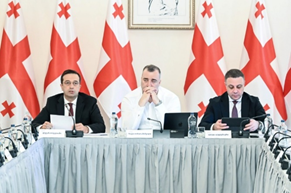
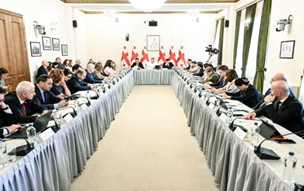
On June 22, 2026, Public Defender Levan Ioseliani presented the annual report on the state of human rights and freedoms in Georgia in 2025 to the Human Rights and Civil Integration Committee of the Parliament of Georgia. The Public Defender spoke about the activities carried out by the Office in 2025 and briefly reviewed the issues reflected in the 428-page report.
The parliamentary report covers the rights of conflict-affected population, eco-migrants, socially vulnerable people, children and persons with disabilities, as well as persons placed in penitentiary, psychiatric and other closed institutions. It reviews the rights to life, fair trial, privacy, freedom of assembly and expression. The report also offers recommendations for the relevant agencies and solutions or ways to find solutions to the problems identified during monitoring and reflected in the report.
The Public Defender also spoke about the use of excessive force by law enforcement officers during the detention of protesters, the progress of the investigation and the correctness of court decisions.
2025 ANNUAL REPORT OF THE CCAC OF MACAO PUBLISHED IN THE OFFICIAL GAZETTE.
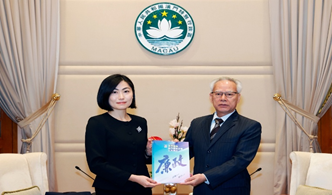
The 2025 Annual Report of the Commission Against Corruption of Macao was published in the Official Gazette of the Macao Special Administrative Region. In 2025, the CCAC placed a total of 427 cases on file, including 30 cases related to the 8th Legislative Assembly Elections, 191 cases placed on file by the Anti-Corruption Bureau, 172 cases placed on file by the Ombudsman Bureau and 34 cases filed for mutual assistance from law-enforcement agencies outside the Macao SAR, says the Report.
As the 8th Legislative Assembly Elections took place in the year, the CCAC set the ensuring of integrity of the elections as the priority of the year, making targeted deployment according to different phases and characteristics of election activities. The relevant actions included inspections of activities intended for granting food and beverage benefits and activities involving distribution of cash, gifts or gift vouchers held by civic associations, among others.
During the entire election period, the CCAC conducted over 16,000 inspections, received 153 complaints, placed 30 cases on file and concluded the investigations of 28 cases. Among the cases concluded, five were referred to the Public Prosecutions Office for follow-up. The CCAC points out that through the CCAC’s prompt handling of the cases and its all-out effort within the scope of its powers, the whole election process ran in an orderly and good atmosphere.
INTERNATIONAL CONFERENCE ON THE THEME “ROLE OF AUDIT IN PROTECTING INTERESTS OF STATE AND ECONOMIC ENTITIES”
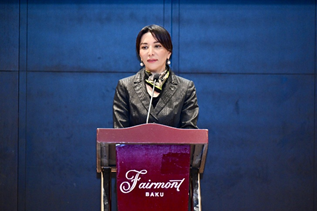
The Ombudsperson of Azerbaijan, in collaboration with the Chamber of Auditors of Azerbaijan, organized an international conference on the theme “Role of Audit in Protecting the Interests of State and Economic Entities”, which brought together Sabina Aliyeva, the Ombudsperson of Azerbaijan; Prof. Vahid Novruzov, Chairman of the Chamber of Auditors; staff members from both institutions besides heads of foreign auditing organizations; NGOs and the media.
During her opening remarks, Ombudsperson stated that the audit institution is an important mechanism that serves to ensure transparency, accountability, the rule of law, and a culture of responsible governance.
The Ombudsperson noted that a strong auditing system significantly contributes to protecting the legitimate interests of the state, business entities, and citizens; ensuring the efficient use of public resources; and strengthening economic security.
Sabina Aliyeva pointed out that from a human rights perspective, the auditing system strengthens transparency and accountability, increases public trust, and serves to prevent rights violations and ensure social justice.
In his introductory speech, the Chairman of the Chamber of Auditors, Prof. Vahid Novruzov, noted that modern auditing plays a vital and preventive role in the protection, development, and sustainability of business.
REVAMPED IRD PROGRAMME TO HELP FACILITATE EXPEDITIOUS REDRESSAL OF GRIEVANCES – WAFAQI MOHTASIB.
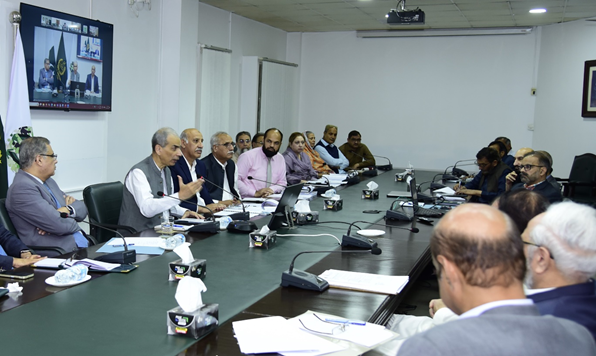
The Informal Resolution of Disputes (IRD), is a revolutionary programme designed to bring about expeditious resolution of complaints through dialogue and mutual understanding without going through the rigorous official procedures, says the Wafaqi Mohtasib, Pakistan, Mr. Naveed Kamran Baloch.
He was inaugurating a 4-day Online Training Workshop meant for Informal Resolution of Disputes (IRD) Focal Persons and IRD Officers at the Wafaqi Mohtasib Head Office here today. The Training Workshop aims at enhancing the capacity and efficiency of the Officers dealing with IRD cases.
He said ‘the IRD is a structured yet flexible mechanism adopted by the Office of the Wafaqi Mohtasib to provide expeditious, accessible and amicable redressal of grievances’. It is a facilitative, non-adjudicatory and consensual process designed to resolve the grievances through mutual agreement between the parties without recourse to formal determination of rights and liabilities.
The Wafaqi Mohtasib further added that the initiative aims to institutionalize a culture of problem-solving and making grievance redressal more responsive, humane and efficient. The underlying philosophy of IRD is grounded in the principle that a large number of disputes particularly those arising from administrative delays and procedural bottlenecks can be effectively resolved through dialogue and mutual understanding. The programme is expected to benefit a large segment of the population especially in the remote and far off regions.
BAKU HOSTED INTERNATIONAL SUMMIT OF OMBUDSMEN ON THE THEME “HUMAN RIGHTS IN THE AGE OF ARTIFICIAL INTELLIGENCE: OPPORTUNITIES, RISKS AND RESPONSIBILITIES”.
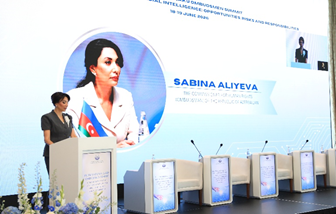
At the initiative of the Ombudsperson of Azerbaijan, the International Baku Ombudsmen Summit on the theme “Human Rights in the Age of Artificial Intelligence: Opportunities, Risks, and Responsibilities” was held in Baku on June 18-19, 2026. The event was dedicated to observe the Human Rights Day in the Republic of Azerbaijan on June 18 every year.
The summit brought together ombudspersons from nearly 30 countries, representatives of NHRIs, international organizations, civil society organizations, and heads of state entities, as well as prominent experts in the fields of artificial intelligence and human rights.
At the event, Farid Ahmadov, the Minister of Justice, read out the official message of greetings from President Ilham Aliyev to the participants.
While delivering opening remarks, the Ombudsperson of Azerbaijan expressed her deepest gratitude to President for his message to the participants.
The Ombudsperson emphasized that the national strategic documents and state programs actively promote the implementation of AI technologies within a framework of ethical, safe, transparent, and human rights-based principles.
The Ombudsperson stressed the need for extensive application of AI in various sectors, including education, healthcare, social protection, labor relations, and the information ecosystem. She highlighted the crucial importance of developing these technologies in strict adherence to the principles of legality, accountability, equality, and respect for human dignity. In addition, she pointed out that NHRIs play a significant role in protecting human rights during the period of rapid digital transformation.
CHIEF OMBUDSMAN OF TÜRKIYE PARTICIPATED IN THE INTERNATIONAL BAKU OMBUDSMEN SUMMIT.
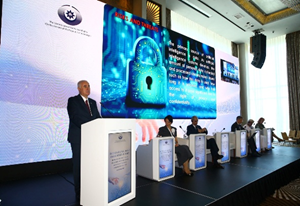
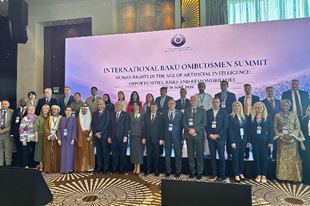
Chief Ombudsman of Türkiye, Mr. Mehmet Akarca participated as a speaker in the International Baku Ombudsmen Summit titled “Human Rights in the Age of Artificial Intelligence: Opportunities, Risks and Responsibilities”, hosted by the Office of the Ombudsman of Azerbaijan recently.
In his speech, Mr. Akarca emphasized that while artificial intelligence offers significant opportunities to enhance efficiency and quality of public services, it also brings important challenges which should be addressed in line with consideration with human rights, transparency, accountability, and the rule of law. He also highlighted the role of ombudsman institutions in promoting a culture of seeking legal remedies and raising public awareness of digital rights.
On the occasion, Mr. Akarca also had the opportunity to meet Mr. Naveed Kamran Baloch, the newly appointed Federal Ombudsman of Pakistan and President of AOA, and to discuss with him cooperation between our institutions as well as within AOA.
AI MUST BE DEVELOPED IN A MANNER TO UPHOLD HUMAN RIGHTS, PROMOTES INCLUSIVITY – NAVEED BALOCH.
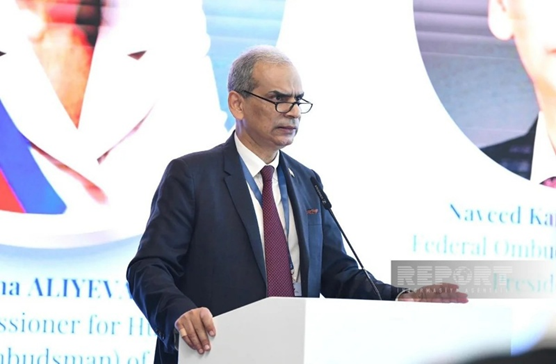
Pakistan’s Federal Ombudsman, Mr. Naveed Kamran Baloch, has emphasized that artificial intelligence (AI) must be developed in a manner to uphold human rights, promotes inclusivity, and strengthens public trust rather than exacerbating social inequalities.
Speaking at a panel session at the International Baku Ombudsmen Summit held under the theme “Human Rights in the Age of Artificial Intelligence: Opportunities, Risks and Responsibilities,” Baloch highlighted the growing importance of ensuring that technological innovation remains firmly rooted in human values, said a message received here on Saturday from Baku (Azerbaijan).
Bloch said, “AI should help humans in decision-making, not replace them and technologies can increase efficiency but cannot substitute wisdom. They can analyze data and accelerate processes, but they cannot replace empathy.”
The Federal Ombudsman stressed that while AI offers significant opportunities for improving governance, public services, and development outcomes, its long-term impact will ultimately be determined by the ethical principles and societal values guiding its use.
The future of artificial intelligence is defined not only by technological progress but also by societal values, he noted. Baloch underscored that AI has the potential to become a powerful instrument for positive change if human rights remain at the center of innovation.
PUBLIC DEFENDER PARTICIPATES IN INTERNATIONAL SCIENTIFIC CONFERENCE ON LAW AND HUMANISM: MODERN BOUNDARIES OF HUMAN RIGHTS PROTECTION.
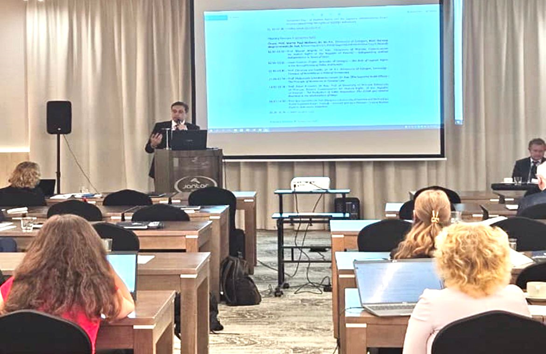
On May 25, 2026, the Public Defender of Georgia, Levan Ioseliani, participated in the International Scientific Conference on Law and Humanism: Modern Boundaries of Human Rights Protection in Ustka (Poland).
The Public Defender spoke about the role of human rights in strengthening public institutions and emphasized the importance of integrating human rights standards into the development of the state’s economic, political, legal and administrative directions, which results in social stability.
The Public Defender also spoke about the work of his institution and noted that a human rights-based approach in public administration requires transparency and public participation to ensure that institutions focus on the needs of the most vulnerable. “We carry out strict monitoring of state administrative bodies to ensure that their internal procedures respect the European Convention on Human Rights and the principle of subsidiarity,” the Public Defender stated in his speech.
The conference was organized by the Pomeranian University of Slupsk, the University of Cologne and Tbilisi State University.
THE SECOND ASIAN WOMEN’S FORUM IS BEING HELD IN BUKHARA.
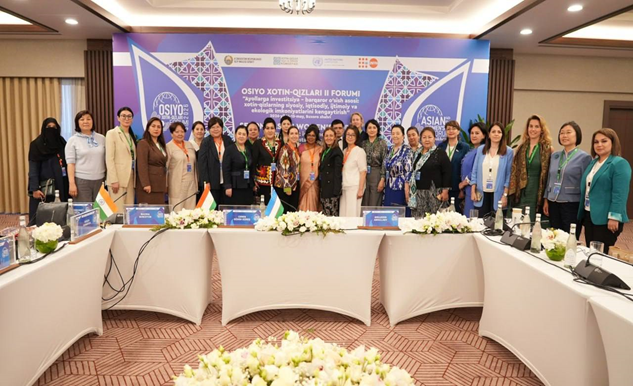
On May 14–15, 2026, the Second Asian Women’s Forum is being held in the city of Bukhara.
The prestigious international event has brought together representatives of parliaments and governments of Asian countries, senators and deputies, members of the diplomatic corps, representatives of the United Nations and its specialised agencies, experts of international organisations, as well as members of the public.
In his address to the participants of the forum, President of the Republic of Uzbekistan Shavkat Mirziyoyev emphasised that ensuring the rights, freedoms and legitimate interests of women, as well as increasing their socio-political activity, has been identified as one of the priority areas of reforms in the New Uzbekistan.
Within the framework of the forum organised under the theme “Investing in Women is the Foundation of Sustainable Growth: Expanding Women’s Political, Economic, Social and Environmental Opportunities”, participants are discussing issues related to expanding women’s participation in public and state governance, strengthening their economic independence, and enhancing opportunities in education, science, innovation, artificial intelligence, digital security and social protection.
The Commissioner of the Oliy Majlis for Human Rights (Ombudsman) Feruza Eshmatova is also participating in the forum and delivered a speech during the fourth panel session.
The forum serves to promote the protection of women’s rights and interests, advance gender equality, and strengthen regional and international cooperation in this area.