Category Archives: AOA News Letter
The Association of Ombudsmen of the Organization of Turkic States was established
The Ombudsperson of Azerbaijan Sabina Aliyeva paid an official visit to Turkey to attend the signing ceremony of a Memorandum of Understanding (MoU) on the establishment of the Association of Ombudsmen and National Human Rights Institutions (NHRİs) of the Turkic States.
The MoU was signed by the ombudspersons of Azerbaijan, Turkey, Kazakhstan, Uzbekistan, and Kyrgyzstan and the heads of NHRİs in Bursa, which was declared the Cultural Capital of the Turkic World in 2022.
Speaking to Turkish media after the signing ceremony, S. Aliyeva said that the Memorandum will make an important contribution to strengthening cooperation in the field of effective protection of human rights and freedoms, increasing the exchange of knowledge and experience. It was noted that this Association of Turkic States, will also play an important role in maintaining peace and order in the region.
ACRC leads the efforts to improve CPI in collaboration with the Public Servants and citizens based on fair and stringent anti-corruption laws and institutions
The Anti-Corruption and Civil Rights Commission (ACRC, Chairperson Jeon Hyun-Heui), a national corruption control tower in Korea, plans to continue to push for anti-corruption reform for more transparent and fair society with an aim to join the top 30 countries in the global ranking in Corruption Perceptions Index (CPI) based on the achievements of anti-corruption reform it has made over the last five years.
ACRC has made various achievements such as the improvement in CPI for five consecutive years and recording an all-time high in the said index, etc. by drawing up the pan-governmental five-year anti-corruption master plan for the Moon administration, revamping norms and institutions including enacting the Act on the Prevention of Conflict of Interest Related to Duties of Public Servants (the Conflict of Interest Prevention Act) and implementing policies aimed at spreading a culture of integrity and fairness in everyday life.
Above all, reflecting higher level of expectations of the people for public servants’ integrity, ACRC reformed anti-corruption norms and institutions including the code of conduct for public servants and anti-corruption assessment.
After nine years of promoting the legislation of the Conflict of Interest Prevention Act, the Act was finally enacted in May last year and is scheduled to be in force on the 19th of next month. The scope of duties subject to the Improper Solicitation and Graft Act was also expanded through the revision to the Act made last December to include duties of selecting scholarship students, examining dissertation, and conferring a degree.
In 2018, the Code of Conduct for Public Servants were revised to prohibit public officials’ abuse of authority, and the Corruption Risk Assessment of public organizations’ bylaws has been conducted to identify and remove legal provisions the reform that may result in unfair privileges or undermine fair performance of duties in public organizations for three years starting in 2020.
In addition, with the Comprehensive Integrity Assessment System being completely overhauled for the first time in 20 years, the anti-corruption efforts in public organizations at various levels are to be assessed in a comprehensive manner as of this year.
Furthermore, ACRC has promoted various policies for anti-corruption norms and regulations to take root as part of a culture of integrity and fairness in everyday lives of public servants and citizens.
ACRC has also carried out annual inspections of hiring irregularities in public organizations since 2017, detected a total of 679 cases of irregularities, and provided relief and aid for around 3,500 victims, while strengthening inspections of actual conditions of compliance with behavioral norms by public servants, such as the Improper Solicitation and Graft Act and Code of Conduct, so that those norms can be more deeply permeated into their lives.
※ Hiring fairness of public institutions: (2017) 45.4 points → (2020) 62.0 points (based on the survey conducted in May 2021 of how fair public institutions’ hiring process is perceived to be)
※ The percentage of respondents saying that “the implementation of the Improper Solicitation and Graft Act has brought a positive impact in our society”: (2016) 84.3% of the general public, 87.8% of public servants → (2021) 87.1%, 96.3% (based on the survey conducted in Sep. 2021 of perceptions about the Act after five years of its implementation)
ACRC inspected the current status of integrity education in each public institution to see to it that they faithfully promote integrity education in order to reinforce the anti-corruption capacity of the public sector, supported poor-performing public institutions in securing implementation capabilities, strengthened education for high-ranking officials with tailored programs, and provided consulting services for public institutions with low integrity levels. Also, ACRC offered integrity education not only to public officials but also to the general public including the future generation.
※ The number of public officials taking integrity education courses: (2017) 19,805→(2019) 24,619 →(2021) 88,329
Not being complacent about the anti-corruption feats it achieved over the last five years, ACRC will push ahead with more systemic and comprehensive anti-corruption policies so that corruption and unfairness will not hamper economic revitalization and undermine the foundation for fair society.
Furthermore, in order for the Conflict of Interest Prevention Act slated to come into force on May 19th to be smoothly established in early stages, ACRC produced and distributed the operation guideline and work manual for the effective implementation of the Act, and will continue to promote the Act-related education and promotional activities targeting public institutions for the months to come.
On top of this, to spread a culture of fair hiring in the public sector, ACRC is stepping up its inspections of hiring irregularities in all public institutions and pushing for the revision bill to the Improper Solicitation and Graft Act to prohibit public officials’ solicitations to the private sector, along with the revision to the Code of Conduct for Public Servants to strengthen the control over the abuse of power in the public sector.
In the future, ACRC will check and remove factors vulnerable to corruption in local areas after the local elections, and beef up the integrity education for the spread of a culture of integrity by creating new educational courses for integrity and ethical management for public corporations with a huge influence in people’s lives.
ACRC Anti-Corruption Bureau General Director Han Sam-Seok said, “all the fruitful outcomes of anti-corruption policies ACRC has pushed for under the rapid circumstantial changes, including the corona virus pandemic and industrial sophistication thanks to the fourth industrial revolution, over the past five years can be attributed to citizens and public officials cooperating with ACRC with great interest,” adding that “ACRC will continue to play its role as an anti-corruption control tower to complete its on-going anti-corruption reform in collaboration with citizens and public officials to realize fairer and more transparent society aspired to by the people.
State information system of the Republic of Tatarstan «Public Control»
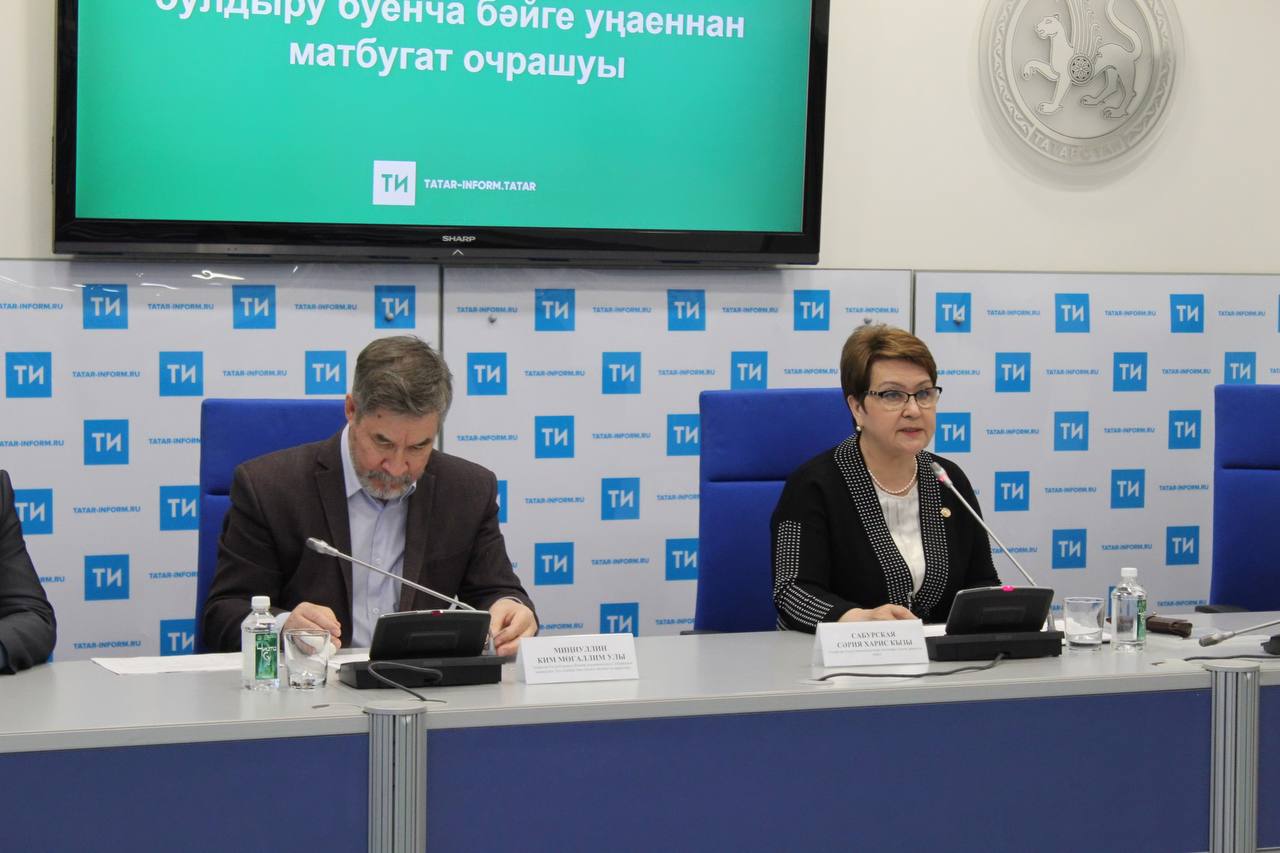
For 10 years now, residents of the Republic of Tatarstan have been using the opportunity to report various problems through the SIS RT “Public Control”.
As of May 05, 2022, since the beginning of the functioning of the SIS RT “People’s Control”, 422,149 notices have been published, of which:
- 372,514 notifications resolved (88%),
- 19,242 notifications have work planned (5%),
- on 26,236 notifications, a reasoned refusal was given (6%),
- 4157 notifications are in progress (1%).
For the second year in a row, on the basis of ” Public Control”, a competition is being held to attract residents of the Republic of Tatarstan to identify errors in the names and inscriptions in the Tatar language.
Last year, the contest aroused great interest not only among residents of the republic, but also in other regions of Russia. The winner was a resident of the city of Moscow, who sent more than 2,000 notifications to the system.
According to the results of the competition, 10 winners will be determined who sent the largest number of photographic materials in notifications in the category “Mistakes in names and inscriptions”, or written appeals received by the Institute of Language, Literature and Art. G. Ibragimov of the Academy of Sciences of the Republic of Tatarstan. They will be awarded with valuable gifts
Ombudsman examines Government’s enforcement against defective sewage works of New Territories Exempted Houses
The Ombudsman, Ms Winnie Chiu, today (12 May) announced the launch of a direct investigation to examine the Government’s enforcement against defective sewage works of New Territories Exempted Houses (NTEHs).
NTEHs built in accordance with the Buildings Ordinance (Application to the New Territories) Ordinance are generally exempted from certain provisions of the Buildings Ordinance. Certificates of exemptions, including those for drainage works, must be obtained from the Director of Lands before NTEHs are built. The certificate of exemption in respect of drainage works stipulates that the works should comply with the Drainage and Health Requirements for Village Type Houses. Where no public sewers are provided in the rural area concerned, applicants for building NTEHs should build sewage disposal systems including septic tanks and soakage pits pursuant to the above requirements.
Currently, the Environmental Protection Department (EPD), the Food and Environmental Hygiene Department (FEHD) and the Lands Department (LandsD) handle complaints about defective sewage works of NTEHs in accordance with the Water Pollution Control Ordinance, the Public Health and Municipal Services Ordinance and land lease provisions respectively. The Office of The Ombudsman has from time to time received complaints about ineffective enforcement of the above departments, where the problem could only be resolved if the NTEH owner concerned carried out rectification works voluntarily.
Ms Chiu said, “Defective sewage works of NETHs such as septic tanks may cause environmental nuisance and pollution, affect the nearby rivers and even spread diseases. The responsibility of maintenance and repair no doubt falls on individual owners. However, the Government is duty bound to follow up on complaints properly and cause owners to fulfil their responsibility through enforcement action. Hence, I have decided to launch a direct investigation to examine the Government’s enforcement against defective sewage works of NTEHs, including the current effectiveness of enforcement and inter-departmental collaboration, and will make recommendations for improvement to the Government where necessary.”
Federal Ombudsman directs prompt implementation of decisions by the Sui Gas Companies
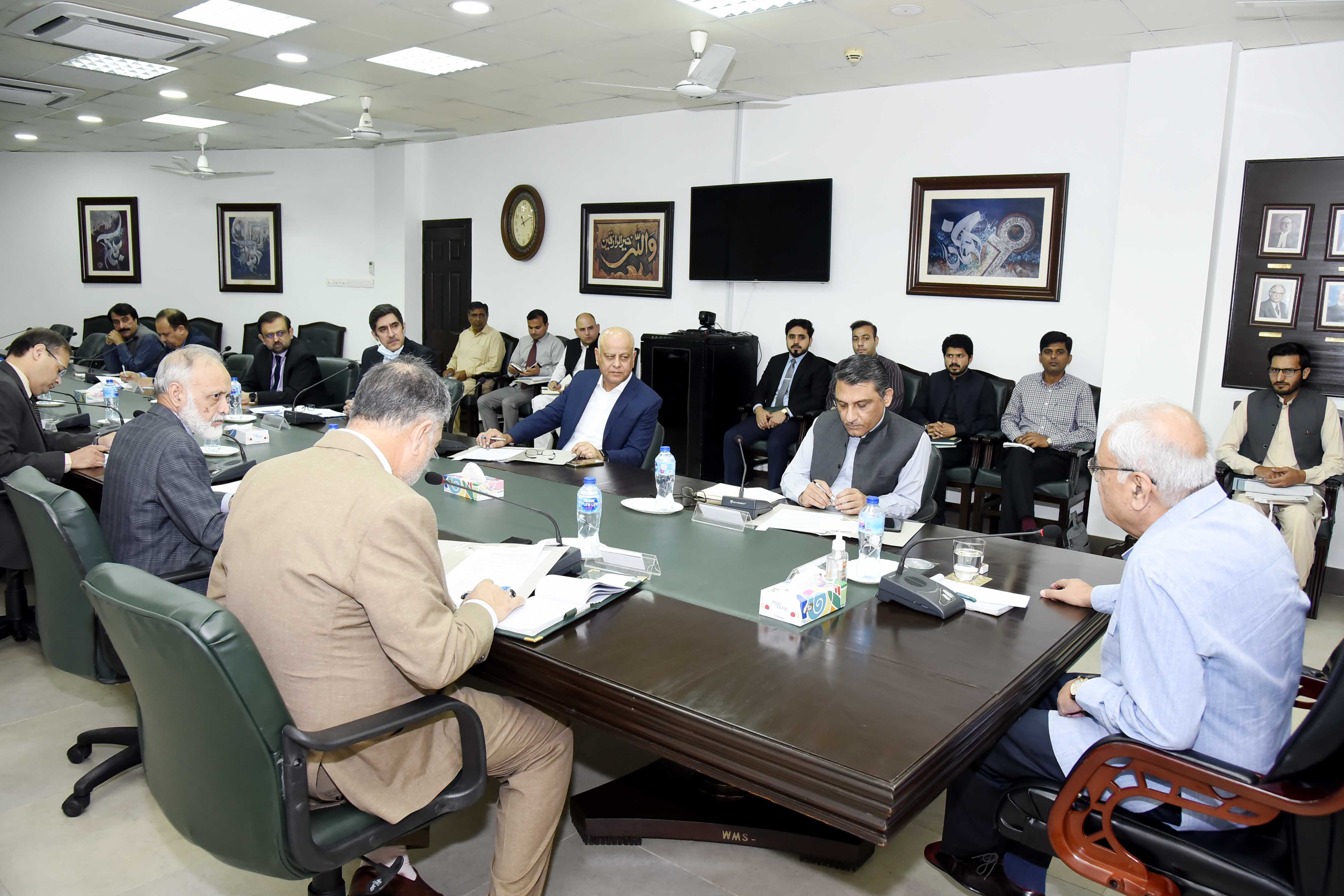
SECRETARY PETROLEUM AND MD SNGPL ASSURES FULL & TIMELY IMPLEMENTATION
Mr. Ejaz Ahmad Qureshi, the Federal Ombudsman has directed the management of Sui Northern Gas Pipelines Limited (SNGPL) to take prompt actions on the decisions of his Office and urged that serious notice will be taken of any delay in non-implementation of its findings. He was chairing a high level meeting to review implementation of Wafaqi Mohtasib findings by SNGPL. The meeting was attended by the Secretary Petroleum & Natural Resources and Managing Director SNGPL alongwith his team. He added that Consumers with small bills are asked to visit the SNGPL office repeatedly causing immense hardship. The Wafaqi Mohtasib directed the SNGPL to improve its redressal system to the general public. He further added that the SNGPL should appoint an officer of BS-20 as a Focal Person to redress the grievances of general public promptly with fairness.
The Secretary Petroleum and Managing Director, SGNPL assured the Federal Ombudsman that urgent necessary steps will be taken forthwith to ensure prompt implementation of WM’s decisions and upgrading of service delivery by the SNGPL.
Special Report on Impact of COVID 19 on Children’s Rights in Georgia
On April 18, 2022, the Public Defender of Georgia presented a special report assessing the impact of the Covid 19 pandemic on children’s rights and the measures taken by the State. The report was prepared with the support of the UNICEF Regional Office for Europe and Central Asia (UNICEF ECARO), the UNICEF Georgia Office and the European Network of Ombudspersons for Children (ENOC).
Protection of children’s rights has encountered new challenges in almost every direction due to the Covid 19 pandemic. The special report assesses the impact of measures taken by the State in the context of the pandemic from March 2020 to May 2021 in three main areas of children’s rights: protection from violence, right to general education and alternative care.
The results of the study made it clear that the measures taken by the State to prevent the spread of the pandemic aggravated the rights situation of children in Georgia. In particular, children’s risks of being abused or witness abuse increased during the pandemic, while the mechanisms for detecting such cases further decreased. Despite the increased risks, there has been no significant increase in referrals to the state agencies.
The study revealed serious problems relating to the effective inclusion of children with disabilities and children with special educational needs in the educational process, quality of education, access to the Internet and technology, etc.
When enforcing the regulations developed for the management of the pandemic, the State did not provide adequate support to child care institutions. The measures taken by the State severely restricted the face-to-face communication of the juveniles in state care with their families, friends and social workers, as well as their access to various psychosocial services.
At the opening of the online event, the Public Defender briefly reviewed the findings of the study and noted that from January 2020 to June 8, 2021, the number of cases of child abuse referred by the Office of Resource Officers to the Agency for State Care decreased by 197 compared to 2019, while the number of cases of child abuse referred to the Ministry of Internal Affairs increased only by 47 compared to 2019. Most of the cases concerned early marriage and the risks of early marriage.
“We believe that the findings of the special report and the recommendations developed on the basis of the findings will be interesting for the relevant agencies in terms of identifying and addressing the challenges posed by the Covid 19 pandemic, as well as planning measures for future crises and considering the best interests of the child. In addition, it is especially important to listen to the opinion of children and ensure their involvement when making any decision relating to them,” – said the Public Defender.
Ghassan Khalil, UNICEF Representative in Georgia, also delivered a welcoming speech at the presentation.
The results of the study were presented by Ketevan Sokhadze, Head of the Department of the Rights of the Child of the Public Defender’s Office, Goga Khatiashvili, researcher on violence against children and their psychosocial rehabilitation, Mariam Janiashvili, expert on children’s right to education, and Nana Gochiashvili, researcher on the rights of children placed in state care.
Representatives of local and international non-governmental organizations, diplomatic corps accredited in Georgia and experts working on the above-mentioned topics took part in the discussion of the report.
Ombudsman: 160 people are held in a Special reception for the detention of persons detained in administrative order for 60 people in Samarkand
On April 20, the Regional Representative of the Authorized Person of the Oliy Majlis for Human Rights (Ombudsman) in the Samarkand region, Diyor Khusanov, paid a monitoring visit to the Special reception for the maintenance of administrative detainees in the region. It was also attended by the chief specialist of the Samarkand regional branch of the national movement “Yuksalish” D. Azamov.
On the day of the monitoring visit, 161 detainees were kept in the Special reception. Eight of them were women and the remaining 153 were men. In fact, the institution, established in 2020, is designed for 60 people.
However, in practice, instead of 60 people, 160 people were kept in the institution. In the course of studying the conditions of detention of detainees in the special detention center, shortcomings were identified and appropriate recommendations were made to eliminate them.
Meals for prisoners are delivered according to an approved menu based on an outsourced service.
The shower rooms for the detainees were repaired, no shortcomings were found.
The special reception has a first-aid post for detainees and is equipped with 23 types of medicines.
All prisoners serving sentences in the institution are able-bodied, 18 of them are provided with work. 16 of them were employed at contract sites. The average salary of prisoners is 40,500 soums per day.
When studying the conditions created for cultural recreation of prisoners and meetings with close relatives, it was found that in the Special reception there are separate rooms for cultural recreation and a library for 10 prisoners. The library contains 150 different works of fiction and legal literature. During the monitoring, rooms for meetings of close relatives of the detainees in the Special reception were also examined. The number of rooms for short visits is only 1, which is not enough for the 160 prisoners held as of 20 April. As a result, there are long queues to meet family members. In this regard, the Regional Representative of the Ombudsman made recommendations to increase the number of rooms for short-term meetings.
In the institution there are 2 telephone rooms. Telephone services are paid by the administration of the Special reception.
Evaluation of Effectiveness of Institutional Mechanisms for Gender Equality in Georgia
On April 15, 2022, the Public Defender’s Office of Georgia, in cooperation with UN Women and with the support of the Norwegian Ministry of Foreign Affairs, held an online presentation, where it evaluated the effectiveness of institutional mechanisms for gender equality and presented a study prepared by the Public Defender’s Office.
In her opening speech, Ekaterine Skhiladze, Deputy Public Defender of Georgia, stressed the importance of a well-thought-out and unified vision of the State for the creation of an effective institutional mechanism for gender equality, which in turn ensures the strengthening and sustainability of the existing mechanisms.
Kaori Ishikawa, UN Women Country Representative to Georgia, Nino Tsilosani, Member of Parliament of Georgia, and Maka Peradze, Head of the Human Rights Secretariat of the Administration of the Government of Georgia, also delivered welcoming speeches at the conference. Expert Lika Jalaghania evaluated the effectiveness of institutional mechanisms for gender equality and introduced the main findings of the study.
The study found that national mechanisms for gender equality still need institutional strengthening and refinement, which is related to the lack of systemic nature of the mechanism. The role of national mechanisms is largely reflected in their consultative functions and, consequently, their influence on policy-making and coordination is weak. Adequate human and financial resources are crucial in the implementation of gender mainstreaming; Unfortunately, this remains a problem in Georgia, which further affects the general situation of women’s rights and gender equality in the country. Another challenge is the lack of readiness and coordination of institutional mechanisms for gender equality. As for the agencies, despite the significant measures taken by them, the programmes and projects implemented by them are chaotic and not based on a unified approach. Unfortunately, this trend indicates that gender equality issues are still not a priority in the country.
The online presentation was moderated by Ekaterine Skhiladze, Deputy Public Defender of Georgia. The meeting was attended by representatives of the governmental and non-governmental sectors.
ACRC to Give the Reported an Opportunity to Explain to Secure Fairness and Objectivity in Handling Corruption Reports
The Anti-Corruption and Civil Rights Commission (ACRC, Chairperson Jeon Hyun Hui) announced that as the revision to the Act on the Prevention of Corruption and the Establishment and Management of the Anti-Corruption and Civil Rights Commission (“the Corruption Prevention Act”) has allowed it to verify the reported matters not just from a reporting person but also from the reported when handling corruption reports, it will give the reported an opportunity to explain to resolve concerns over false accusations or defamation of the reported while managing to protect the identification of a reporting person in the course of doing so.
The ACRC chairperson Jeon Hyun Hui said in a briefing at the Seoul Government Complex on March 17, “As we implement the system to verify the reported matters from the reported* after 20 years of enforcing the Corruption Prevention Act, we will try to ensure that the system is settled without any side effects.”
* When the Commission handles corruption reports it received, if it cannot determine whether audit, investigation or inspection (referral) of the reported matters is necessary even after the verification of the matters from a reporting person, it can verify the matters from the reported only if the reported agrees.
The ACRC said that while the system, which started to be implemented in mid-February, may reduce violations of the rights and interests of the reported, including false accusations and defamation, there can be also side effects that the reported finds who reported or destroys evidence in the process of verifying the matters from the reported.
Accordingly, to improve the fairness of its report handling and not to destroy the purpose of the reporter protection system, the ACRC prepared and implements procedures for accurate verification and detailed standards for granting opportunities to explain to the reported as follows:
[Inform the reporter of the system of verifying reported matters from the reported] First, in the stage of receipt of corruption reports, the Commission informs a reporting person of the system and explains that he/she can be punished pursuant to the Criminal Act, etc. in case where he/she files a false report that may cause false accusations or defamation of the reported and that he/she can be also excluded from the subject of protection under the Corruption Protection Act, in order to prevent the abuse of reporting.
[Cases where an opportunity to explain is given to the reported]
An opportunity to explain is given to the reported if: whether the report is falsely filed or not is the point in dispute; the evidence is not clear; who should be held accountable for the corruption in question needs to be clarified.
In particular, when the Commission grants an opportunity to explain to the reported, it will provide guidance on the ‘the protection and reward system for reporters’ and ‘the provision of punishment for violations of confidentiality and taking disadvantageous measures’ in order to alarm the reported not to cause harm to reporters.
If reporters suffer damage or fear harm due to the granting of an opportunity to explain to the reported, the Commission will take swift measures to recognize the status of reporters for more thorough protection.
[Cases where an opportunity to explain is not granted to the reported]
On the other hand, considering that violation of prohibition of publishing personal information of reporters is punished by imprisonment for not more than five years or by a fine not exceeding 50 million won under Article 88 of the Corruption Prevention Act and that corruption detection through reporting is important, the Commission does not grant an opportunity to explain to the reported if: there is a concern over exposure of the identity of reporters; there is a concern for the reported to destroy evidence or fleeing; and the reported refuse to be given an opportunity to explain.
ACRC chairperson Jeon Hyun Heui said, “we cannot rule out the possibility of a conflict of legal interests between protection of reporters and prevention of false accusation or defamation due to the introduction of the verification system. We will try to develop the system to be more trusted by the people by dealing with corruption report cases fairly and with a sense of balance between reporters and the reported.”
Azerbaijani Ombudsman Institution raises awareness the public on right of access to information
Azerbaijan Ombudsman Institution continues awareness-raising activities. The next such event, which was held in Shemkir and Tovuz districts was on the topic of the protection of the right to information.
This awareness event had brought together local government agencies and representatives of local executive authorities and some members of the staff of the Ombudsman Institution, including Lamiye Zeynalova, Head of the Department on Protection of the Right to Information, and Sabuhi Abbasov, Head of the Ombudsman’s Ganja Regional Center.
During the events, the participants were informed about the activities of the Ombudsman in the field of control over the execution of the national Law on Access to Information by information holding stakeholders, outlining also relevant application review, monitoring and analyses procedures.
In conclusion, the participants were presented booklets on “Let’s know our right of access to information” and “Let’s ensure the right of access to information”, which were produced by the Ombudsman Institution.